



Can Chickens Eat Watermelon?
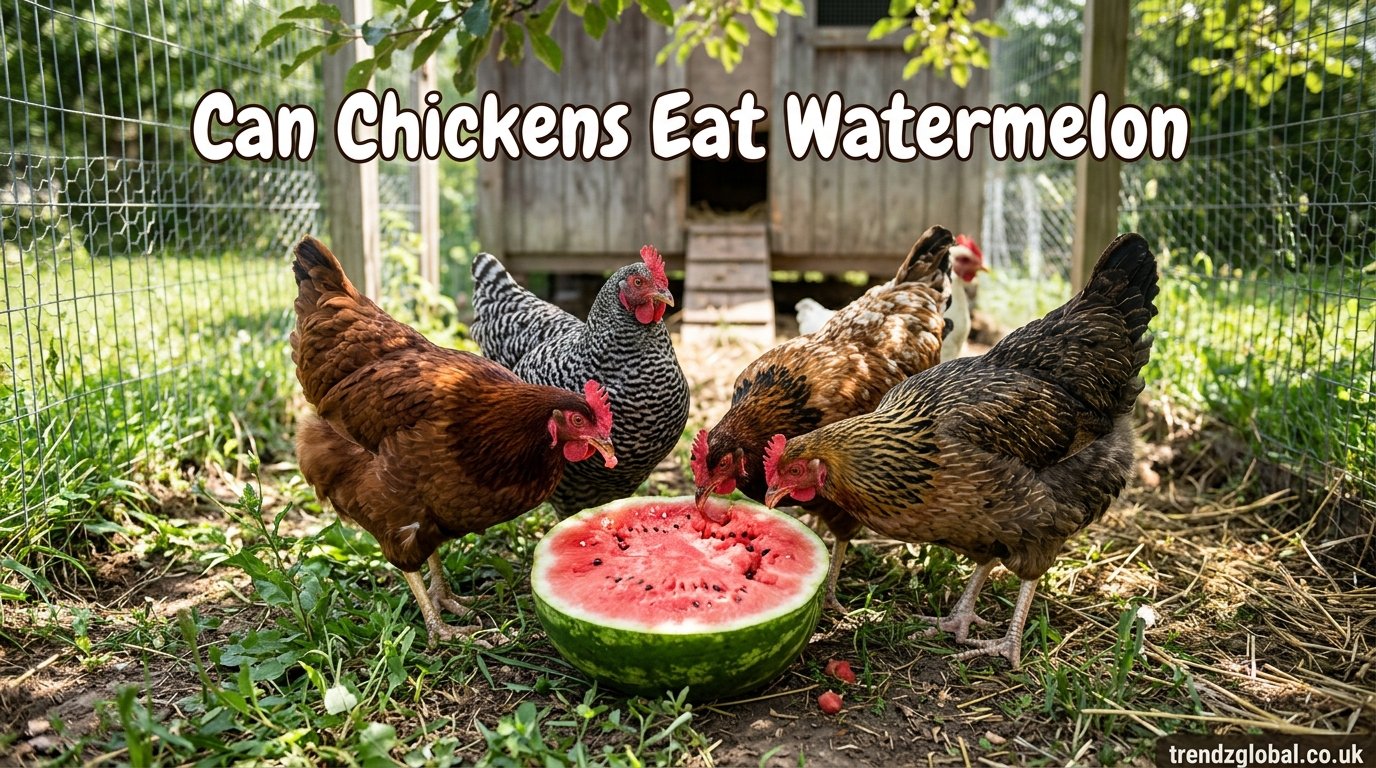
Yes, chickens can eat watermelon, and most flocks genuinely love it. This juicy summer fruit is safe for chickens in nearly every form, including the flesh, the rind, and even the seeds. Backyard chicken keepers often reach for watermelon during warmer months because it doubles as both a treat and a hydration source, something hens especially need when temperatures climb.
That said, watermelon should never replace a chicken’s regular feed. Chickens need a balanced diet built around a quality layer feed that supplies the protein, calcium, and vitamins they need to stay healthy and keep laying eggs. Watermelon fits best as Can Chickens Eat Watermelon an occasional snack, not a meal replacement, and most keepers find their birds are happy to peck at it straight from the coop floor or a hanging treat holder.
Because watermelon is so widely available and inexpensive during summer, it has become one of the most popular natural treats among poultry keepers looking for safe, low-cost ways to keep their birds cool and entertained.
Nutritional Benefits of Watermelon for Chickens
Watermelon carries more nutritional value than many people realize. It is rich in antioxidants, including lycopene, a compound linked to reduced inflammation and better immune function in poultry. This matters because chickens under heat stress or disease pressure often experience oxidative damage, and antioxidant-rich foods can help offset some of that strain.
The fruit also contains vitamin C, which chickens struggle to produce naturally when they are under heat stress, along with potassium and magnesium. These minerals act as natural electrolytes, helping birds maintain proper hydration and muscle function, particularly during hot spells when dehydration becomes a real risk.
Beyond vitamins and minerals, watermelon flesh contains a modest amount of dietary fiber. Fiber supports healthy digestion and helps keep a chicken’s gut functioning smoothly, which is one reason many keepers notice their flock’s droppings and overall activity level improve slightly after a watermelon treat, as long as it’s fed in reasonable amounts.
Watermelon as a Hydration Booster in Hot Weather
One of watermelon’s biggest advantages for chickens is its extremely high water content, often more than ninety percent. During summer heat waves, chickens can struggle to drink enough water to regulate their body temperature, and heat stress can quickly become dangerous or even fatal if left unaddressed.
Offering chilled watermelon chunks gives chickens a fast, appealing way to take in extra moisture without needing to visit the waterer as often. Many flock owners freeze watermelon pieces or even whole slices and set them out during the hottest part of the day, turning the fruit into a natural cooling treat that chickens will actively work to eat, which keeps them occupied and hydrated at the same time.
This hydration boost is especially valuable for heavier breeds and older hens, who tend to be more vulnerable to heat exhaustion. A cool, juicy treat can make a noticeable difference in how comfortable a flock feels on a scorching afternoon.
Can Chickens Eat Watermelon Rind and Seeds?
Chickens can safely eat watermelon rind, and many actually prefer pecking at the tough green skin because it gives them something to work at, which helps relieve boredom in the run. The rind contains fiber and a decent amount of moisture, and offering it reduces food waste since almost nothing needs to be thrown away.
Watermelon seeds are also safe for chickens to eat, and there is no need to seek out seedless varieties or remove seeds before serving. Chickens have a gizzard that grinds down tough foods, including seeds, so choking or blockage from a normal serving of seeds is uncommon in adult birds. Some keepers do prefer to chop the rind into smaller, manageable pieces, particularly for smaller bantam breeds that may otherwise struggle with large, thick chunks.
It is worth noting that rinds should always be washed thoroughly before feeding, especially if the watermelon is store-bought, since pesticide residue and wax coatings can linger on the outer skin. A quick scrub under running water removes most of this risk.
How Much Watermelon Is Safe for Chickens?
Moderation is the golden rule when it comes to feeding watermelon to chickens. Treats of any kind, watermelon included, should make up no more than about ten percent of a chicken’s overall diet, with the rest coming from a nutritionally complete feed formulated for their life stage.
A sensible serving is a small handful of chunks per bird, offered a few times a week rather than daily. Because watermelon is high in natural sugar and water, overfeeding it can lead to loose, watery droppings, which not only make the coop messier but can also signal mild digestive upset if it continues over several days.
Keepers with larger flocks often spread watermelon halves or slices across the run so multiple birds can access it at once, reducing competition and ensuring no single hen overeats while others miss out.
Best Ways to Serve Watermelon to Your Flock
The simplest way to serve watermelon is to cut it into bite-sized cubes and scatter them across the ground or place them in a shallow dish. This encourages natural foraging behavior, which keeps chickens mentally stimulated as they peck and search for pieces.
Freezing watermelon chunks before serving is a popular method during peak summer heat, since it turns a simple treat into a slow-melting source of cooling refreshment. Some keepers also hang a halved watermelon at head height using twine, creating a “piñata” style treat that encourages pecking and reduces boredom, especially useful for flocks kept in a smaller run.
Whatever method is used, always remove uneaten watermelon before it sits out too long, particularly in warm weather, since leftover fruit can attract pests or begin to spoil within a few hours.
Risks and Precautions to Keep in Mind
While watermelon is generally safe, a few precautions matter. Moldy or spoiled watermelon should never be fed to chickens, as decomposing fruit can harbor harmful mycotoxins and bacteria that may cause illness. Always check that the fruit is fresh before offering it.
Large, thick chunks can present a choking hazard, particularly for younger birds or smaller bantam breeds, so cutting or mashing pieces into manageable sizes is a smart habit. Overfeeding is the other main concern, since too much watermelon can crowd out a chicken’s appetite for its regular feed, leading to nutritional gaps over time if it becomes a habit rather than an occasional treat.
Finally, always rinse the outer rind before feeding, since agricultural chemicals and dirt can cling to the surface even when the fruit looks clean. This small step goes a long way toward keeping a flock healthy.
Feeding Watermelon to Baby Chicks
Baby chicks can eventually enjoy watermelon too, but they need a bit more caution than adult hens. Most keepers wait until chicks are at least a few weeks old before introducing any treats, giving their digestive systems time to mature first.
When chicks are ready, watermelon should be mashed or cut into very small, soft pieces to prevent choking, since their throats and digestive tracts are still developing. It also helps to offer chick grit alongside treats, since grit assists their gizzard in breaking down anything beyond their regular starter feed.
As with adult birds, watermelon for chicks should remain an occasional bonus rather than a dietary staple, with their primary nutrition continuing to come from a properly formulated chick starter feed.
Conclusion
Watermelon is a safe, refreshing, and nutritious treat for chickens of nearly every age, offering hydration, antioxidants, and a bit of natural sweetness that most flocks enjoy. Whether it’s the flesh, rind, or seeds, nearly the entire fruit can be shared with your birds with very little waste. The key to feeding it responsibly comes down to moderation, freshness, and proper preparation, ensuring watermelon remains a fun seasonal bonus rather than a replacement for balanced poultry feed. With a little care, watermelon can become one of the easiest and most appreciated treats a backyard flock owner offers all summer long.
Frequently Asked Questions
Is watermelon rind safe for chickens? Yes, the rind is completely safe and often enjoyed by chickens for the pecking activity it provides. Just wash it well before feeding.
Can chickens eat watermelon seeds without any problems? Yes, chickens can digest watermelon seeds without issue, since their gizzard grinds down tough foods naturally.
How often should I feed my chickens watermelon? A few small servings a week is plenty. Daily feeding isn’t necessary and can lead to loose droppings if overdone.
Can watermelon replace water for hydration? No, watermelon can support hydration but should never replace a chicken’s regular access to fresh, clean drinking water.
Is frozen watermelon good for chickens in summer? Yes, frozen watermelon chunks are a popular way to help chickens cool down and stay hydrated during hot weather.
