



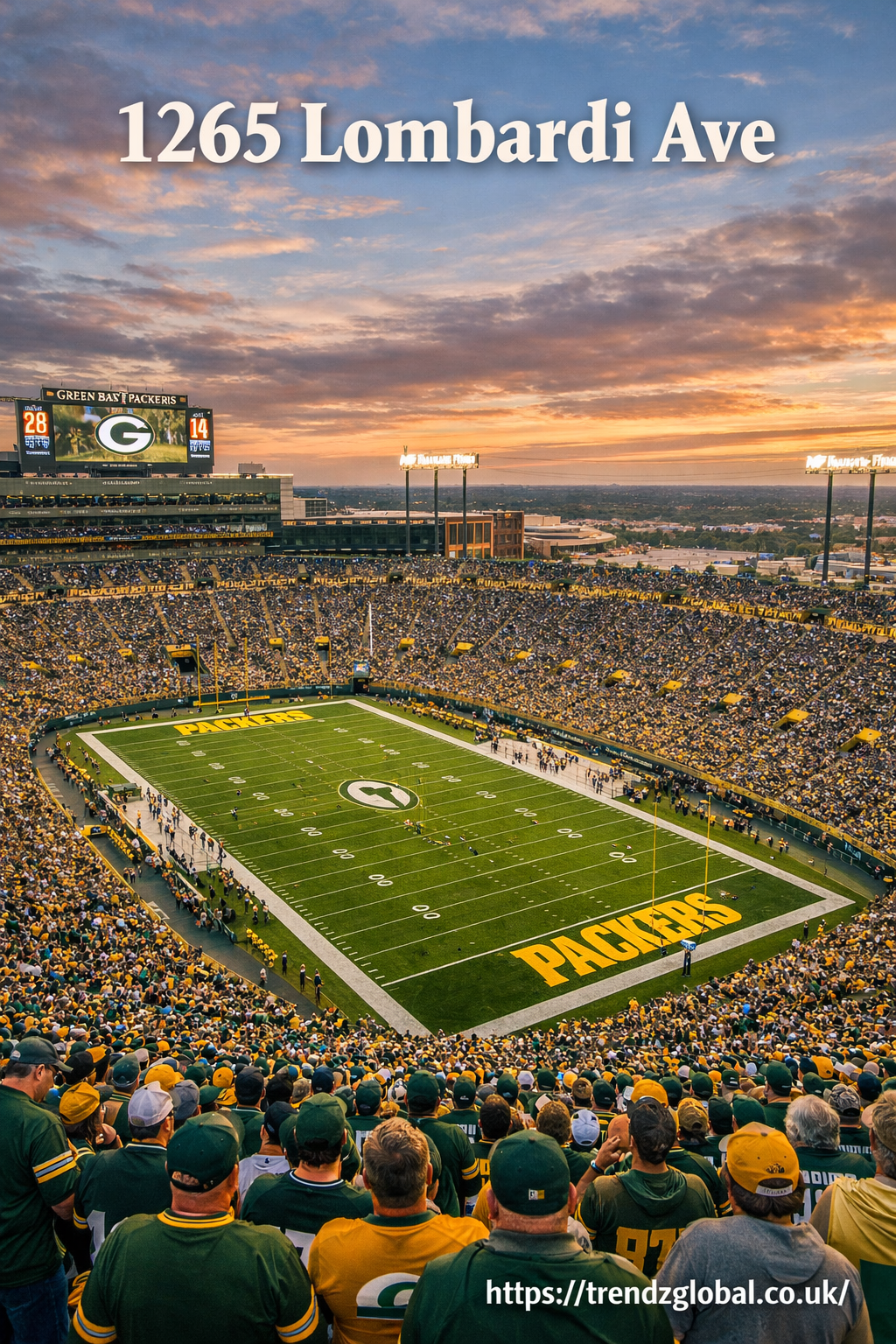
The address 1265 Lombardi Ave is far more than a simple location—it is one of the most iconic sites in American sports. Situated in Green Bay, Wisconsin, this address is home to Lambeau Field, the historic stadium of the Green Bay Packers. For decades, it has symbolized tradition, resilience, and excellence in professional football.
This article offers a complete, deeply researched look at 1265 Lombardi Avenue, covering its origins, architectural evolution, cultural importance, and modern-day relevance. Whether you are a football fan, traveler, or researcher, this comprehensive guide provides accurate and trustworthy insights rooted in real historical data.
The Meaning Behind 1265 Lombardi Ave
1265 Lombardi Avenue is globally recognized as the official address of Lambeau Field, the home stadium of the Green Bay Packers. Since 1957, this site has served as the team’s base, making it the longest continuously used stadium by a single NFL franchise.
The street name itself carries deep significance. Originally called Highland Avenue, it was renamed in 1968 to honor legendary coach Vince Lombardi, one of the most influential figures in football history. This change elevated the address from a geographic label to a symbolic landmark associated with leadership, discipline, and championship success.
Today, “1265 Lombardi Ave” is often used as shorthand for the Packers organization itself. Fans, players, and commentators frequently refer to it not just as a place, but as the spiritual home of one of the NFL’s most storied teams.
The Origins of Lambeau Field
Lambeau Field originally opened on September 29, 1957, under the name City Stadium. It was built to replace the Packers’ previous field near Green Bay East High School, which had become too small for the growing fanbase.
The construction cost was approximately $960,000, a modest amount by today’s standards but a major investment at the time. The stadium was among the first in the NFL designed specifically for one team, marking a shift toward purpose-built professional sports venues.
In 1965, the stadium was renamed Lambeau Field in honor of Curly Lambeau, the founder, player, and long-time coach of the Packers. His legacy remains deeply embedded in the identity of the stadium and the address itself.
Location and Surroundings in Green Bay
Located in Green Bay, Wisconsin, 1265 Lombardi Avenue sits within a well-defined block bordered by major roads such as Oneida Street, Ridge Road, and Stadium Drive. This strategic placement makes it easily accessible while anchoring it firmly within the city’s infrastructure.
The stadium is part of a broader entertainment and community area, including the Titletown District, which features hotels, restaurants, offices, and recreational spaces. This development has transformed the area into a year-round destination rather than just a game-day venue.
Despite Green Bay being one of the smallest cities in the NFL, this address attracts millions of visitors. Its accessibility and surrounding amenities contribute to its reputation as a premier sports tourism destination.
Architectural Design and Structure
Lambeau Field is an open-air stadium known for its classic bowl design and natural grass surface. The playing field uses Kentucky bluegrass reinforced with modern systems, ensuring durability in extreme weather conditions.
The stadium’s structure has evolved significantly over time. Originally much smaller, it now features a seating capacity of over 81,000, making it one of the largest venues in the NFL. Despite numerous expansions, the stadium has retained its traditional aesthetic, which is a key part of its charm.
Architecturally, Lambeau Field balances historic authenticity with modern upgrades. Its design reflects both the simplicity of its origins and the sophistication of contemporary sports venues, making it a unique example of long-term stadium evolution.
Expansions and Renovations Over Time
Since its opening, Lambeau Field has undergone multiple expansions to meet growing demand. Early expansions in the 1960s and 1970s increased capacity significantly, transforming the stadium into a fully enclosed bowl.
Major renovations between 2001 and 2003 modernized the facility with updated seating, luxury suites, and improved amenities. Additional upgrades between 2012 and 2015 introduced new gates, video boards, and viewing areas, enhancing the fan experience.
A more recent renovation phase, including updates around 2023, continued to improve infrastructure and technology. These ongoing developments ensure that 1265 Lombardi Avenue remains competitive with newer stadiums while preserving its historic identity.
Cultural Importance in American Football
Lambeau Field is often called “The Frozen Tundra,” a nickname earned from its famously cold weather games. One of the most iconic moments in NFL history, the 1967 Ice Bowl, took place here, cementing the stadium’s legendary status.
The cultural importance of 1265 Lombardi Ave extends beyond football. It represents a rare model of community ownership, as the Green Bay Packers are publicly owned by shareholders rather than a private owner. This unique structure strengthens the bond between the team and its fans.
The stadium is also considered a “cathedral of football,” reflecting its deep emotional and historical significance. For many fans, visiting this address is a pilgrimage that connects them to decades of sporting history.
Fan Experience and Visitor Attractions
Visitors to 1265 Lombardi Avenue can enjoy a wide range of attractions beyond game-day events. Lambeau Field offers guided tours that take fans through locker rooms, tunnels, and premium seating areas, providing a behind-the-scenes look at the stadium.
The Packers Hall of Fame, located within the stadium complex, showcases memorabilia, interactive exhibits, and historical displays. This transforms the venue into a living museum that celebrates the team’s legacy.
Additionally, the stadium hosts concerts, community events, and other sporting activities throughout the year. These offerings make it a dynamic destination that appeals to both sports enthusiasts and general tourists.
Economic and Community Impact
The presence of Lambeau Field has a profound economic impact on Green Bay. It generates revenue through tourism, hospitality, and local business activity, particularly during the NFL season.
The development of the Titletown District has further boosted the local economy by creating jobs and attracting investment. This area includes residential spaces, entertainment venues, and commercial establishments, all centered around the stadium.
Beyond economics, the stadium fosters a strong sense of community identity. It serves as a gathering place where fans unite, reinforcing social bonds and shared pride in the Packers organization.
Unique Features That Set It Apart
One of the most distinctive aspects of Lambeau Field is its longevity. It is the oldest continuously operating stadium in the NFL, a testament to its enduring design and cultural importance.
Another unique feature is its outdoor setting in a cold-weather climate. Unlike many modern stadiums with domes or retractable roofs, Lambeau Field embraces its environment, creating a challenging and memorable experience for players and fans alike.
The stadium’s integration with the surrounding community also sets it apart. Unlike many large venues isolated from residential areas, Lambeau Field is deeply embedded within the city, enhancing its authenticity and charm.
Why 1265 Lombardi Ave Remains Iconic
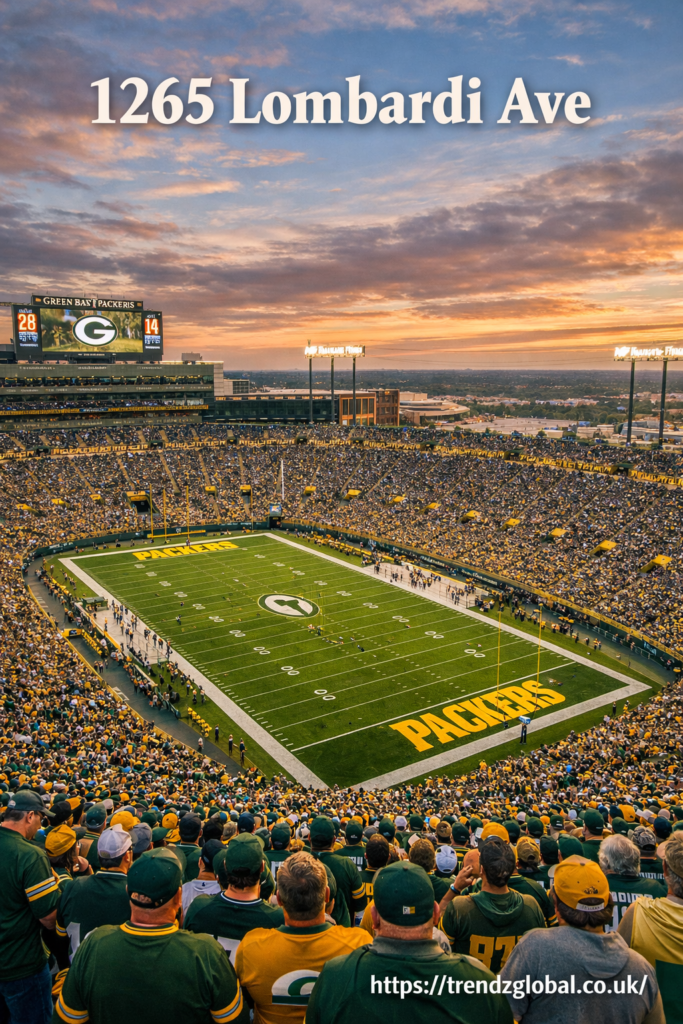
The global recognition of 1265 Lombardi Avenue comes from its association with success, tradition, and authenticity. It is not just a sports venue but a symbol of excellence in professional football
Conclusion
1265 Lombardi Avenue stands as one of the most iconic addresses in the world of sports, representing the legacy and tradition of Lambeau Field and the Green Bay Packers. From its origins in 1957 to its modern-day status as a premier NFL stadium, it has continuously evolved while preserving its historic identity. The combination of rich history, architectural development, and cultural significance makes it far more than just a stadium location.
