



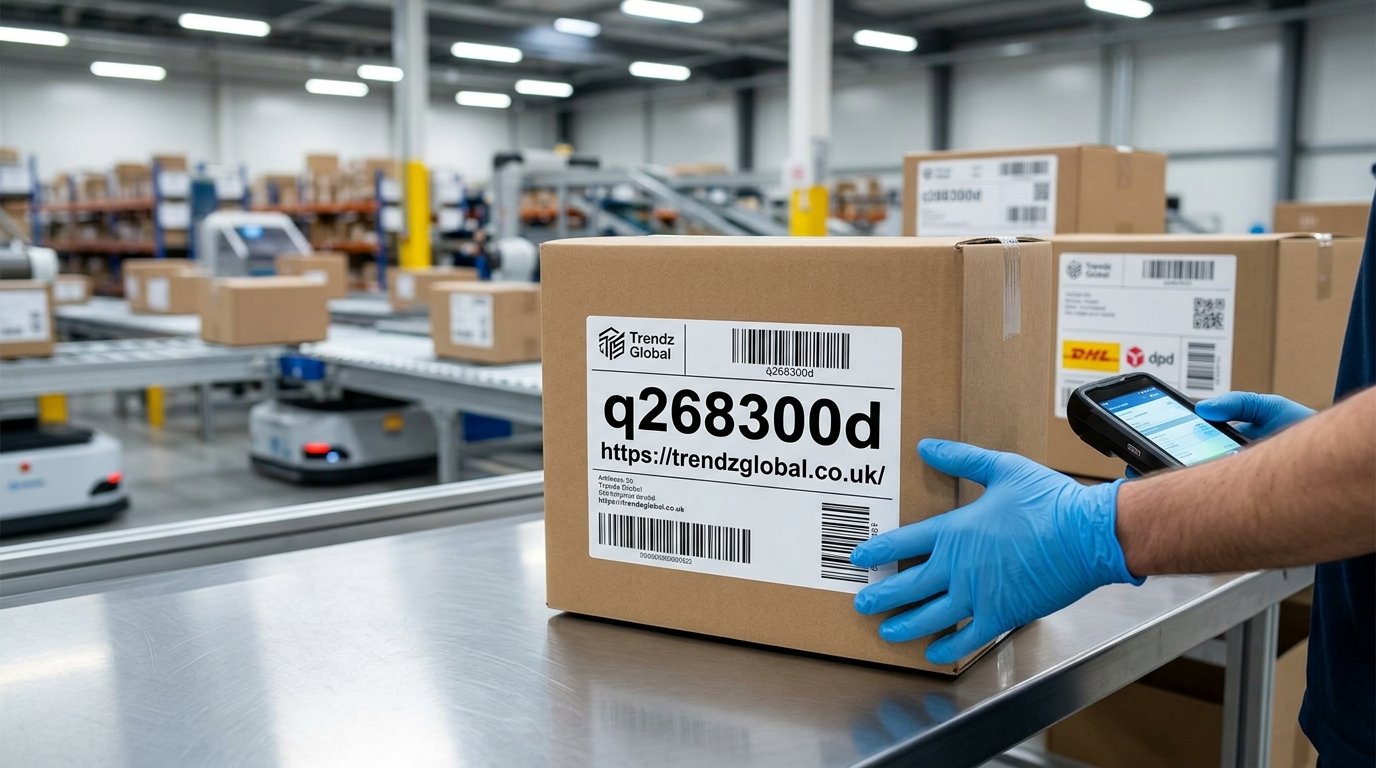
The identifier “Q268300D” appears to be a structured alphanumeric code used in technical, industrial, or electronics-related catalog systems rather than a clearly defined consumer product name. In modern manufacturing environments, such codes are commonly assigned to components, subassemblies, or internal inventory entries that are tracked through OEM databases rather than public retail listings.
When users encounter a code like Q268300D, it is usually during parts research, repair diagnostics, or online marketplace browsing where incomplete or partially scraped data appears without proper context. This creates confusion because the code does not always correspond to a publicly marketed product name or widely documented specification sheet.
In industrial and electronics supply chains, alphanumeric identifiers serve as the backbone of product tracking systems. They are used to define revisions, manufacturing batches, component types, and compatibility groups. However, not all of these identifiers are publicly indexed, which means some codes like Q268300D may exist primarily within internal manufacturer systems or distributor databases.
Understanding this type of code requires knowledge of how OEM systems, electronics classification structures, semiconductor cataloging, and industrial inventory tracking work together. This article provides a detailed breakdown of how such identifiers are structured, why they appear online, and how to safely interpret them without misinformation.
Understanding What Q268300D Represents in Technical Systems
Q268300D is best understood as a technical identifier rather than a standalone consumer product name. In modern electronics ecosystems, such codes are used to represent components or assemblies within internal manufacturing or service catalogs.
These identifiers are typically assigned by Original Equipment Manufacturers (OEMs) or suppliers to manage large-scale production systems. Each code may represent a physical part, a revision of a component, or even a subassembly used inside a larger device.
The structure of Q268300D suggests a multi-part classification format. The initial letter may represent a product family or category group, while the numeric section typically indicates series or model grouping. The trailing letter often represents revision level, design update, or regional variation within the same component family.
However, without official manufacturer documentation, the exact meaning cannot be definitively confirmed, which is common for internal OEM identifiers used in restricted databases.
Why Electronics Manufacturers Use Codes Like Q268300D
Modern electronics manufacturing depends heavily on structured coding systems because of the complexity of global production chains. A single electronic device may contain hundreds or even thousands of individual components sourced from different suppliers worldwide.
Codes like Q268300D allow manufacturers to track these components precisely throughout their lifecycle. Instead of using long descriptive names, companies assign compact identifiers that are easier for software systems, inventory scanners, and production databases to manage.
These identifiers are also essential for revision control. When a component is improved or modified, manufacturers often update the identifier slightly while maintaining a relationship to the original code. This ensures traceability between older and newer versions of the same part.
In large-scale industries such as consumer electronics, automotive systems, telecommunications, and industrial automation, such structured coding is essential for maintaining consistency, quality control, and supply chain accuracy.
As a result, codes like Q268300D are not random but part of a highly organized internal classification system.
Why Q268300D Is Difficult to Trace in Public Databases
One of the main challenges with identifiers like Q268300D is that they are not always intended for public visibility. Many OEM codes exist only within internal manufacturer systems or authorized distributor networks.
Public search engines often struggle to interpret these identifiers because they are not consistently linked to consumer-facing product pages. Instead, they may appear in fragmented listings, partial database exports, or third-party inventory systems that lack complete metadata.
Another issue is inconsistent data entry. Online marketplaces sometimes import product information automatically, which can result in incomplete or inaccurate model listings. A single incorrect character can completely change the meaning of a technical code.
Additionally, similar codes may exist across different manufacturers, which increases confusion when trying to match a specific identifier to a known product.
Because of these limitations, identifying Q268300D requires careful verification through official sources rather than relying on general search results alone.
Role of OEM Catalog Systems in Code Identification
OEM catalog systems are central to understanding identifiers like Q268300D. These systems are used by manufacturers to organize millions of parts across production lines, service networks, and global distribution channels.
Each part in an OEM system is assigned a unique identifier that connects it to engineering specifications, production data, compatibility information, and revision history. These systems are highly structured and are often accessible only to authorized technicians, dealerships, or service providers.
In many cases, OEM identifiers differ from retail product names. A product sold in stores may have a marketing name, while its internal OEM code is used in service manuals and repair documentation.
This dual-layer system helps manufacturers manage both consumer branding and technical accuracy simultaneously. However, it also creates confusion when internal codes like Q268300D appear in public listings without explanation.
OEM systems ensure precision in manufacturing and servicing, but they are not always designed for public interpretation.
Possible Categories Linked to Q268300D
Although Q268300D cannot be definitively assigned to a specific product category without manufacturer documentation, codes in this format commonly appear across several major electronics sectors.
One possible category is semiconductor components. Integrated circuits, power transistors, and logic devices often use structured alphanumeric identifiers similar to Q268300D. These components are used in everything from smartphones to industrial control systems.
Another possible category is display and consumer electronics modules. Smart TVs, monitors, and display assemblies frequently use internal codes for panels, backlight systems, and driver boards that are not publicly branded.
Industrial automation equipment is also a strong candidate category. Sensors, control modules, and relay systems often rely on internal OEM codes for tracking and servicing purposes.
Automotive electronics represent another major category where such identifiers are common. Engine control modules, wiring systems, and electronic components in modern vehicles are tracked using internal catalog numbers rather than consumer-facing names.
Without verified documentation, Q268300D could belong to any of these categories depending on its source manufacturer.
Risks of Misinterpreting Technical Product Codes
Misinterpreting identifiers like Q268300D can create significant risks, especially when the code is used for ordering replacement parts or conducting repairs.
One of the most common risks is purchasing incompatible components. Even when parts appear visually similar, small differences in electrical ratings, firmware versions, or physical dimensions can lead to system failure.
Another major risk is counterfeit or misrepresented products. In online marketplaces, incomplete or incorrect codes are sometimes used to market generic parts as OEM replacements. These products may not meet required performance or safety standards.
Electrical incompatibility can also lead to overheating, malfunction, or permanent device damage. This is particularly important in semiconductor and power-related applications where tolerances are strict.
In industrial or automotive systems, incorrect part identification can create safety risks or operational failures.
Because of these risks, professional technicians always verify part numbers using official documentation before installation or replacement.
How to Safely Research Unknown Codes Like Q268300D
When dealing with an unknown identifier such as Q268300D, the safest approach is to begin with official manufacturer resources whenever possible. OEM websites, technical datasheets, and authorized distributor catalogs provide the most accurate information.
Cross-referencing the code with physical device markings is also important. Many components include multiple identifiers printed on circuit boards, packaging labels, or internal assemblies that can help confirm identity.
Technical repair communities and professional forums may provide additional insight, especially when dealing with obscure OEM identifiers. However, information from unofficial sources should always be verified before use.
It is also important to avoid assuming compatibility based solely on similar-looking codes. Even minor differences in alphanumeric structure can represent major differences in hardware or electrical design.
Careful verification ensures correct part identification, reduces repair risks, and prevents costly purchasing mistakes.
Why Modern Product Codes Are Becoming More Complex
As technology advances, product identification systems are becoming increasingly complex. Modern devices integrate hardware, firmware, and software into tightly connected systems that require precise tracking.
Manufacturers now release multiple revisions of products within short timeframes. Each revision may include performance improvements, material changes, or design modifications that require updated identifiers.
Globalized manufacturing also contributes to complexity. Components are produced across multiple countries and suppliers, each requiring standardized tracking systems that can integrate into global inventory networks.
Additionally, automated logistics and digital supply chain systems depend on highly structured codes that can be processed by software without ambiguity.
As a result, identifiers like Q268300D reflect a broader trend toward highly detailed and structured product classification systems across the electronics industry.
Conclusion: What Q268300D Means in Practical Terms
Q268300D is best understood as a structured technical or OEM-style identifier used within electronics or industrial catalog systems rather than a publicly defined consumer product name. Its format suggests it belongs to an internal classification system used for tracking components, revisions, or manufacturing batches.
