



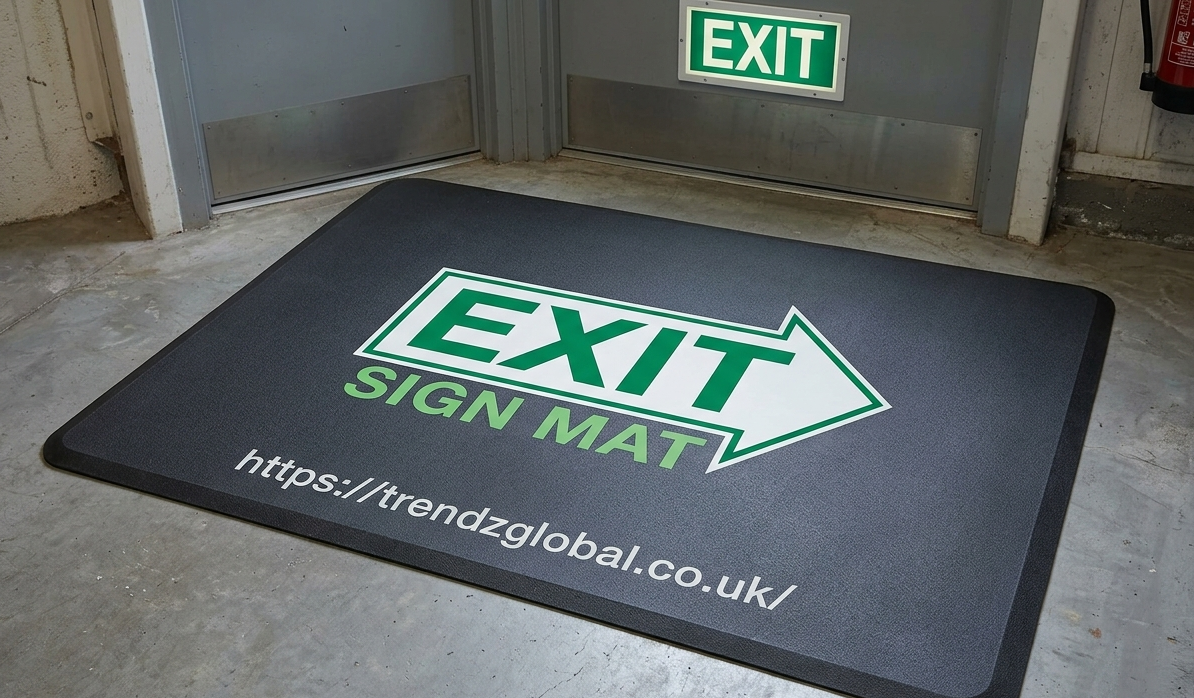
Safety systems in modern buildings have evolved far beyond traditional fire alarms and wall-mounted exit signs. Today, facility managers, architects, commercial property owners, and safety professionals are increasingly investing in advanced evacuation guidance systems designed to improve visibility and occupant safety during emergencies. One term gaining attention in this field is ExitSignMat, which generally refers to illuminated or high-visibility floor mats used to guide people toward exits during emergency situations.
ExitSignMat systems combine several important safety features into one product category. These mats may include photoluminescent materials, reflective technology, anti-slip flooring surfaces, emergency directional markings, or integrated LED lighting systems. Their main purpose is to provide clear floor-level evacuation guidance when traditional overhead signs become difficult to see because of smoke, darkness, panic, or power outages.
Interest in ExitSignMat products has grown significantly due to increasing awareness of workplace safety regulations, emergency preparedness planning, fire code compliance, and building evacuation efficiency. Commercial offices, hospitals, airports, industrial facilities, schools, hotels, theaters, warehouses, and transportation systems are all exploring improved emergency egress solutions to protect occupants during emergencies.
As buildings become larger and more technologically advanced, emergency evacuation systems are becoming more sophisticated as well. ExitSignMat technology reflects a broader movement toward integrated safety infrastructure that improves emergency navigation, reduces confusion, and supports safer evacuations during critical situations.
Understanding What ExitSignMat Means
The term ExitSignMat is commonly used to describe specialized safety mats or emergency floor guidance systems designed to direct people toward emergency exits. These products are typically installed in hallways, stairwells, corridors, entrances, and evacuation pathways where rapid directional guidance may become necessary during emergencies.
Unlike standard decorative floor mats, ExitSignMat systems are specifically engineered for safety applications. Many products include glow-in-the-dark technology, reflective directional arrows, illuminated exit markings, or photoluminescent materials that remain visible when lighting conditions deteriorate.
Traditional overhead exit signs remain essential in modern buildings, but emergency situations can significantly reduce their effectiveness. Smoke from fires often rises toward ceilings, obscuring wall-mounted or ceiling-mounted signage while leaving lower areas temporarily more visible. ExitSignMat systems help address this problem by providing guidance at floor level where occupants may still retain visual orientation.
These systems are increasingly viewed as part of layered emergency evacuation planning. Safety professionals recognize that redundancy improves reliability during emergencies, and floor-level directional systems provide an additional navigation aid when visibility conditions become challenging.
The Importance of Floor-Level Emergency Guidance
Emergency evacuation studies have shown that people often struggle with orientation during fires, blackouts, and high-stress situations. Panic, confusion, smoke, and limited visibility can slow evacuation times and increase risk. Floor-level emergency guidance systems help improve directional clarity during these conditions.
Smoke behavior is one of the primary reasons low-level guidance systems are important. Because smoke rises upward, visibility near ceilings may deteriorate rapidly while lower areas remain somewhat clearer. ExitSignMat systems provide directional information where occupants are more likely to see it while moving toward safety.
Modern building layouts can also be complex and difficult to navigate under stress. Large office complexes, hospitals, airports, shopping malls, hotels, and industrial facilities often contain long corridors, multiple stairwells, and interconnected spaces that become disorienting during emergencies.
Floor-level evacuation guidance also supports accessibility. Individuals with mobility limitations, visual challenges, or heightened anxiety during emergencies may benefit from clearer and more consistent directional assistance. Enhanced visual guidance can improve evacuation efficiency for a wider range of occupants.
How Photoluminescent Exit Mats Work
Many ExitSignMat systems use photoluminescent technology, one of the most reliable forms of passive emergency illumination available today. Photoluminescent materials absorb ambient light during normal conditions and emit stored energy as visible glow when darkness occurs.
Unlike electrically powered emergency lights, photoluminescent systems require no batteries or direct power during operation. During regular building use, the materials absorb light from fluorescent fixtures, LED lighting, or natural sunlight. When lighting conditions change suddenly, the stored energy is released gradually as visible illumination.
Modern photoluminescent compounds are far more advanced than older glow-in-the-dark materials. High-performance safety-grade materials can remain visible for extended periods, helping occupants navigate evacuation routes during power outages or fire emergencies.
Facility managers often appreciate photoluminescent systems because of their low maintenance requirements. Since they operate passively, there are no batteries to replace, wiring systems to maintain, or electrical failures to worry about during emergencies.
Commercial Applications of ExitSignMat Systems
Commercial buildings represent one of the largest application areas for ExitSignMat technology. Office towers, shopping centers, conference facilities, hotels, restaurants, entertainment venues, and mixed-use developments all require effective emergency evacuation planning.
In large commercial buildings, visitors may be unfamiliar with exit routes. During emergencies, confusion can slow evacuation and create dangerous bottlenecks. Floor-level directional mats help simplify navigation by providing clear visual pathways toward exits and stairwells.
Healthcare environments present especially complex evacuation challenges. Hospitals, nursing homes, and medical clinics often contain patients with limited mobility, visitors unfamiliar with the building, and sensitive care areas requiring organized emergency response. ExitSignMat systems can support safer movement through corridors and treatment areas.
Industrial facilities and warehouses also benefit from enhanced evacuation guidance. Large machinery, storage racks, equipment layouts, and noisy environments can make emergency navigation difficult. Highly visible floor-level signage helps workers identify escape routes more efficiently.
Building Safety Codes and Regulatory Standards
Building safety regulations continue evolving to improve emergency preparedness and occupant protection. Fire safety agencies, workplace safety organizations, and construction authorities increasingly emphasize the importance of effective evacuation systems and emergency path marking.
Organizations such as OSHA, NFPA, and international fire safety authorities establish guidelines related to emergency exits, evacuation signage, emergency lighting, and occupant safety. In some industries and transportation sectors, floor-level path marking systems are already required because of their effectiveness during smoke-filled emergencies.
Commercial property owners often research ExitSignMat systems while preparing for safety inspections, insurance evaluations, fire code compliance reviews, or broader risk management initiatives. Enhanced evacuation systems may also contribute positively to workplace safety certifications and operational liability reduction.
Regulatory trends suggest increasing focus on integrated safety systems that combine visual guidance, emergency lighting, communication infrastructure, and accessible evacuation support. ExitSignMat technology aligns closely with these evolving safety priorities.
Anti-Slip Features and Safety Flooring Technology
Many ExitSignMat products are designed not only for emergency visibility but also for everyday slip resistance and flooring safety. This dual-purpose functionality makes them valuable in both routine operations and emergency situations.
High-traffic environments require durable flooring materials capable of resisting wear, moisture, chemicals, and constant foot traffic. Manufacturers commonly use industrial-grade rubber, reinforced vinyl, textured composites, or anti-slip polymer materials to improve durability and traction.
Slip-and-fall prevention is an important concern in hospitals, airports, hotels, manufacturing facilities, restaurants, and public buildings. Safety mats with textured surfaces help reduce accident risks while also serving as emergency guidance systems.
Durability is equally important because emergency flooring products must remain functional over long periods of use. High-quality ExitSignMat systems are designed to resist fading, cracking, peeling, moisture penetration, and loss of photoluminescent performance over time.
LED Exit Mats and Smart Building Integration
Some modern ExitSignMat systems incorporate LED illumination and smart building connectivity for enhanced emergency response capabilities. Unlike passive photoluminescent mats, LED systems use powered lighting elements to create brighter and more dynamic evacuation guidance.
Smart emergency systems may integrate with fire alarms, smoke detectors, occupancy sensors, emergency communication systems, and centralized building management software. During emergencies, these systems can automatically activate illuminated evacuation pathways.
Advanced smart buildings increasingly use interconnected technologies to improve safety and operational efficiency. Intelligent emergency guidance systems may eventually adapt dynamically to changing conditions by directing occupants away from blocked exits or hazardous areas.
Although LED-based systems often involve higher installation costs and electrical infrastructure requirements, they can provide stronger visibility in large facilities, transportation hubs, stadiums, and high-occupancy environments where rapid evacuation is critical.
Emergency Preparedness and Modern Building Design
The growing popularity of ExitSignMat products reflects broader awareness of emergency preparedness and proactive safety planning. Building owners today face increasing expectations regarding occupant protection, liability reduction, and operational safety standards.
Recent disasters and emergency events have highlighted the importance of reliable evacuation systems capable of functioning under stressful and unpredictable conditions. Modern safety strategies now emphasize layered protection systems that improve resilience during emergencies.
Architects and facility designers are increasingly incorporating safety infrastructure into overall building design rather than treating it as an afterthought. Floor-level evacuation guidance systems are becoming part of integrated emergency planning alongside alarms, sprinklers, emergency lighting, and communication systems.
Occupant confidence is another important factor. Employees, tenants, customers, and visitors generally feel more secure in facilities that visibly prioritize safety and emergency preparedness. Effective evacuation systems contribute to a stronger overall safety culture.
Choosing the Right ExitSignMat System
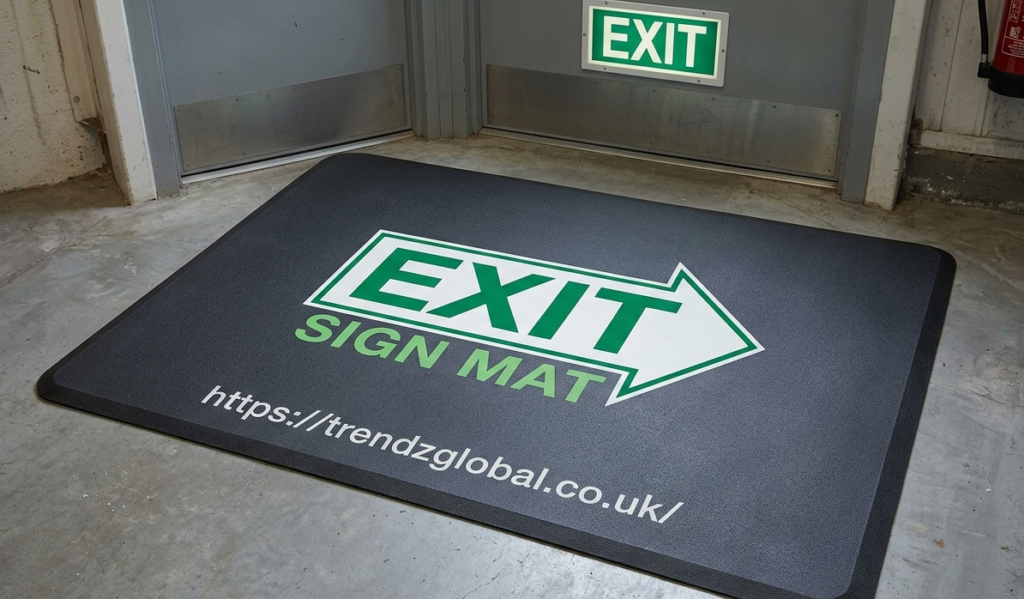
Selecting an appropriate ExitSignMat solution depends on several factors including building size, occupancy type, environmental conditions, and emergency planning goals. Different industries prioritize different features based on operational requirements.
Commercial office buildings may focus on aesthetics, energy efficiency, and low maintenance, while industrial facilities may prioritize durability, chemical resistance, and high-visibility performance. Healthcare environments often emphasize accessibility and continuous visibility under varying lighting conditions.
Photoluminescent systems are widely valued for their passive operation and low maintenance needs. LED-based systems may be preferred in larger or more complex buildings where stronger illumination and smart integration capabilities are beneficial.
Facility managers often consult fire safety engineers, building inspectors, and emergency planning specialists when selecting evacuation guidance systems. Proper placement, visibility, durability, and compliance alignment are all important considerations during implementation.
Future Trends in Emergency Evacuation Technology
Emergency evacuation technology continues evolving rapidly as smart infrastructure and intelligent building systems become more advanced. Future ExitSignMat solutions may include adaptive lighting, AI-driven emergency routing, wireless communication integration, and real-time occupancy analysis.
Advanced sensor systems could eventually identify hazardous areas automatically and redirect occupants toward safer evacuation routes dynamically. Smart emergency flooring may integrate with mobile devices, emergency alerts, and centralized evacuation management platforms.
Sustainability is also becoming increasingly important in safety product development. Photoluminescent systems already offer energy-efficient operation by reducing reliance on electrically powered emergency lighting during outages.
As urban buildings become larger, denser, and more technologically interconnected, demand for advanced evacuation guidance systems will likely continue growing. ExitSignMat technology represents an important part of the future of intelligent building safety and emergency preparedness.
Conclusion
ExitSignMat systems represent a major advancement in modern emergency safety infrastructure by combining floor-level visibility, anti-slip protection, directional guidance, and emergency evacuation support into integrated safety solutions. As awareness of workplace safety, fire prevention, and emergency preparedness continues growing, these systems are becoming increasingly valuable across commercial, healthcare, industrial, hospitality, and public environments.
Traditional overhead exit signs remain essential, but floor-level emergency guidance provides an additional layer of safety during smoke-filled, low-light, or high-stress evacuation scenarios. Technologies such as photoluminescent materials, LED illumination, reflective surfaces, and smart building integration are helping improve emergency navigation and occupant protection.
