



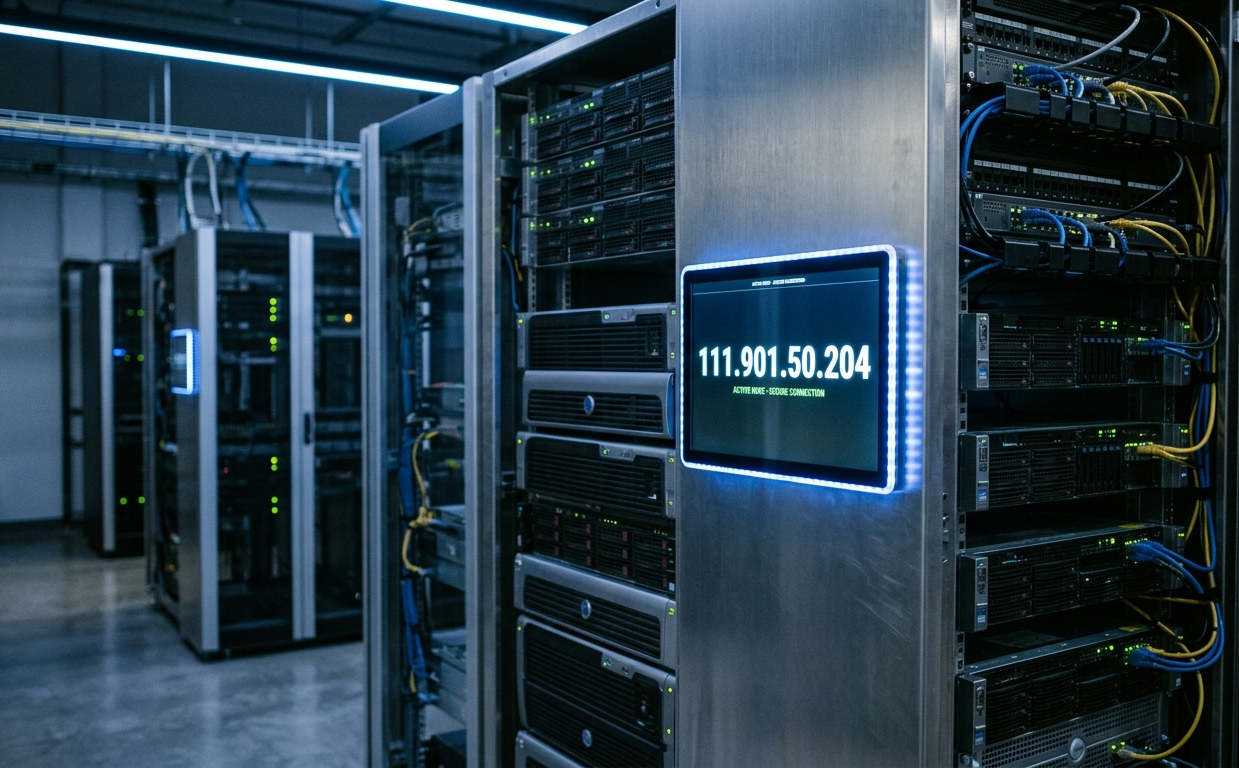
At first glance, 111.901.50.204 appears to be a standard internet protocol address, something commonly used to identify devices and servers across the web. Many users who encounter such numeric patterns assume they can trace it, locate it, or use it to access hidden content. However, the reality behind this specific sequence is far more technical and, in many ways, more interesting than it initially seems. Understanding what this number represents requires a clear grasp of how IP addresses function and what makes them valid or invalid. 111.901.50.204
This article takes a deep, research-informed look at 111.901.50.204, exploring its structure, technical validity, possible origins, and why it has attracted attention online. By breaking down the topic in simple, natural language, the goal is to provide a trustworthy and comprehensive explanation that helps readers avoid confusion and make informed decisions when encountering similar data..
Understanding the Basics of IP Addresses
An IP address is a unique identifier assigned to every device connected to a network. It enables communication between devices by ensuring that data packets reach the correct destination. Without IP addresses, the internet as we know it would not function, as there would be no reliable way to distinguish one device from another in a global network.
The most commonly used format is IPv4, which consists of four numerical segments separated by dots. Each segment, known as an octet, must fall within a specific numerical range. This limitation is not arbitrary but is based on how binary data is structured and transmitted in networking systems. The alternative, IPv6, uses a longer format designed to accommodate the growing number of devices worldwide, but IPv4 remains widely used due to its simplicity and compatibility.
Structural Analysis of 111.901.50.204
When analyzing 111.901.50.204, the first step is to evaluate whether it meets the criteria of a valid IPv4 address. A valid IPv4 address must have four octets, each ranging from 0 to 255. This range exists because each octet represents an 8-bit number, and the maximum value for 8 bits 111.901.50.204
In this case, the second segment of the address is 901, which clearly exceeds the allowable range. This single discrepancy renders the entire address invalid. Even though the other segments fall within acceptable limits, the presence of one out-of-range value means the address cannot function in any networking system. It cannot be assigned to a device, recognized by servers, or used for routing internet traffic.
Why Invalid IP Addresses Still Appear Online
Despite being technically incorrect, sequences like 111.901.50.204 often appear in online searches and discussions. One reason for this is human curiosity. When users encounter unfamiliar numeric patterns, they tend to search for explanations, which increases the visibility of such strings on search engines.
Another factor is the intentional use of misleading or placeholder data. Content creators, marketers, or even malicious actors sometimes use IP-like formats to attract attention. These numbers look technical and authoritative, which can make them more intriguing or convincing to users who are not deeply familiar with networking principles.
Misinterpretation and Digital Confusion
A major issue surrounding numbers like 111.901.50.204 is the widespread misunderstanding of how IP addresses work. Many users assume that any four-part number separated by dots must correspond to a real device or location. This assumption leads to confusion when they attempt to trace or analyze invalid addresses.
This misunderstanding is further amplified by online tools that promise IP tracking or geolocation services. When users input an invalid address and receive no results, they may believe the data is hidden or restricted, rather than recognizing that the address itself is not valid. This gap in understanding highlights the importance of basic technical literacy in navigating digital information.
The Role of Curiosity-Driven Searches
Curiosity plays a significant role in the popularity of unusual numeric strings. When a number like 111.901.50.204 appears in a message, link, or online post, it often sparks questions. People want to know whether it leads to hidden content, a private server, or something exclusive.
In many cases, this curiosity is exploited to drive traffic. Users searching for the number may land on pages filled with speculative or misleading information. This cycle reinforces the visibility of the number, even though it has no real technical significance. Over time, it becomes a self-sustaining trend fueled by repeated searches and shared curiosity.
Security Implications and Online Safety
While the number itself is harmless, the context in which it appears can pose risks. Invalid IP-like strings are sometimes used in phishing attempts or deceptive content. They may be embedded in URLs or messages to make them appear more technical and trustworthy.
Users who click on such links without verification may expose themselves to malicious websites, data theft, or unwanted downloads. This is why it is important to approach unfamiliar numeric patterns with caution. Verifying their authenticity and avoiding interaction with suspicious content can significantly reduce potential risks.
The Connection Between Numeric Strings and Online Trends
In some online communities, numerical sequences resembling IP addresses are intentionally shared to attract clicks and searches. These strings are often paired with trending keywords, entertainment topics, or content categories that generate high levels of user engagement. Because many users associate IP addresses with secret servers or exclusive access points, these numerical combinations can appear more intriguing than ordinary website links.
Another factor is keyword manipulation. Certain online publishers use unusual numerical strings to attract search traffic from curious users. Once a term begins trending, additional websites publish content targeting the same search phrase, creating a growing ecosystem of pages discussing the topic. This explains why searches for 111.901.50.204 can produce numerous results even though the address itself is not technically valid.
The Limits of IP Address Tracking
Even with valid IP addresses, tracking has its limitations. IP geolocation can typically identify the general region or the internet service provider associated with an address, but it rarely provides precise location data. Factors such as dynamic IP allocation and shared networks further reduce accuracy.
In the case of 111.901.50.204, tracking is not just limited but impossible. Since the address is invalid, there is no associated data to retrieve. Any claim suggesting that it belongs to a specific location or entity is incorrect. Understanding these limitations helps users avoid false assumptions and unnecessary चिंता when dealing with IP-related information.
How to Identify a Valid IP Address
Recognizing whether an IP address is valid is a simple but valuable skill. The first step is to check each segment of the address. If any number falls outside the range of 0 to 255, the address is invalid. This quick check can prevent confusion and save time when analyzing technical data.
Beyond format validation, context also matters. A legitimate IP address is usually associated with a known service, network, or device. If an address appears randomly without explanation, it is worth questioning its authenticity. Combining technical checks with logical reasoning provides a reliable method for evaluating such information.
The Broader Context of Internet Data Awareness
The discussion around 111.901.50.204 reflects a larger issue in the digital world: the need for better understanding of how internet systems work. As more people rely on online information, the ability to distinguish between valid and misleading data becomes increasingly important.
Improving digital awareness does not require advanced technical expertise. Basic knowledge of concepts like IP addresses, data formats, and online safety can go a long way in preventing confusion and protecting users from potential risks. This awareness empowers individuals to navigate the internet more confidently and responsibly.
Security Risks Associated With Searching Suspicious IP Strings
Searching for an unusual numerical string is generally harmless, but problems can arise when users click unknown links associated with those searches. Some websites take advantage of curiosity-driven traffic by promoting questionable content, deceptive advertisements, or potentially harmful downloads. Security researchers consistently warn users to exercise caution when visiting unfamiliar sites discovered through trending search terms.
Malware distribution remains one of the biggest concerns. Malicious websites can attempt to install harmful software, collect browsing data, or exploit vulnerabilities in outdated browsers. Even when a site appears legitimate, hidden scripts may perform actions that users never intended to authorize. Keeping software updated and using reputable security tools can significantly reduce exposure to these threats.
Conclusion
The number 111.901.50.204 may look like a standard IP address, but a closer examination reveals that it does not meet the fundamental requirements of a valid IPv4 format. Its presence in online searches is driven by curiosity, misunderstanding, and sometimes intentional misuse. While it holds no real technical function, it serves as an important example of how easily digital information can be misinterpreted.
