



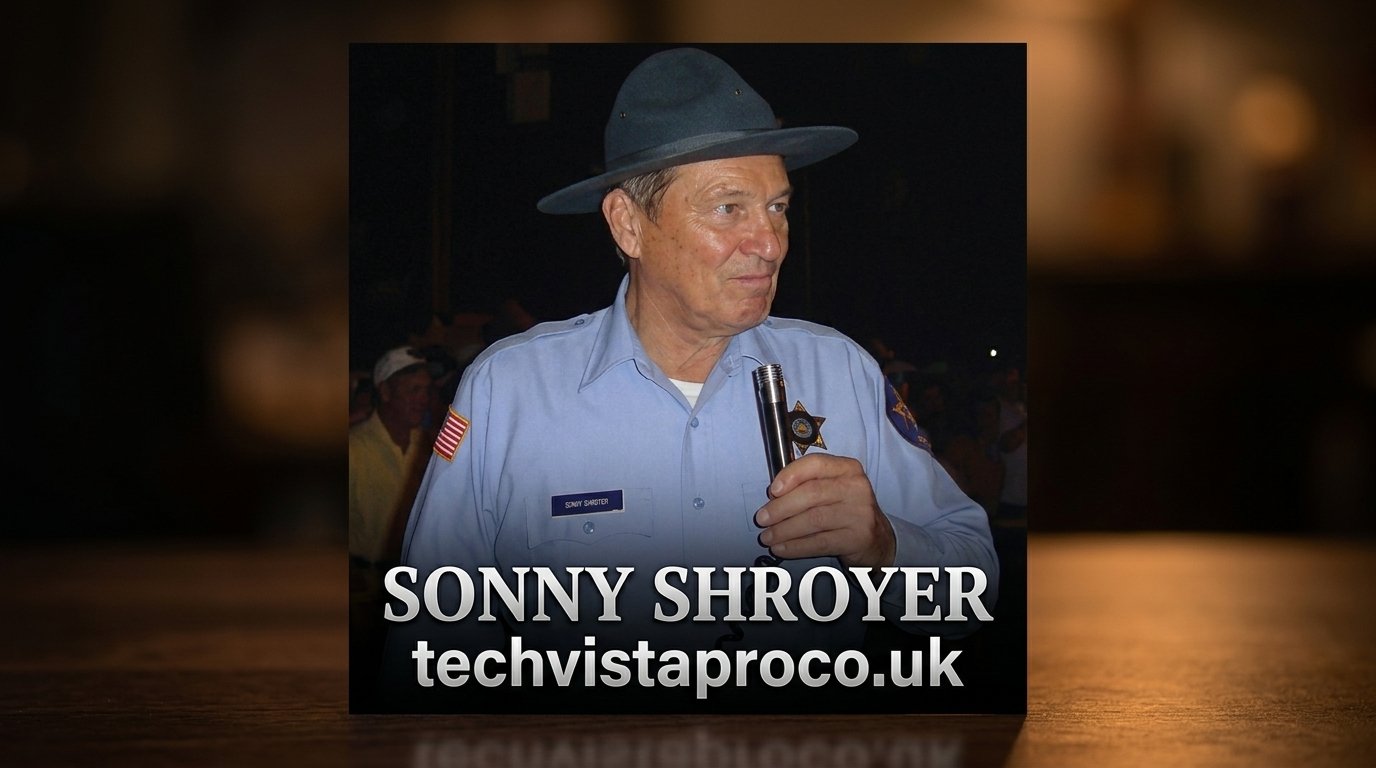
Sonny Shroyer is a retired American actor, born August 28, 1935, in Valdosta, Georgia, best known for playing Deputy Enos Strate on The Dukes of Hazzard (1979–1985) and its spin-off series Enos. He later appeared in Forrest Gump, Ray, and several Southern-set film and TV productions before retiring from acting.
If you grew up watching Bo and Luke outrun Boss Hogg’s deputies every Friday night, you already know Enos Strate — the good-natured, easily flustered lawman who never quite managed to arrest anyone. The actor behind him, Sonny Shroyer, built a career that stretched far beyond Hazzard County, from Georgia tobacco warehouses to Hollywood sets with Burt Reynolds, Tom Hanks, and Jamie Foxx. Here’s the full story of who he is, how he got there, and what he’s done since.
Early Life in Valdosta, Georgia
Sonny Shroyer — born Otis Burt Shroyer Jr. — grew up in Valdosta, a small city on the Georgia-Florida border, in a household shaped by working-class Southern life. As a boy, he pushed buggies in local tobacco warehouses and helped run his family’s fruit stand and ice cream parlor, work that gave him an early, grounded sense of the region he’d later play on screen so often.
His childhood wasn’t all manual labor, though. He took piano lessons for a little over a year, and dabbled in poetry, elocution, and ballet — an unusual mix for a kid who’d go on to become one of television’s most recognizable “good ol’ boy” sheriffs.
Football Career and College Years
Before acting, Shroyer’s ambitions were athletic. He was a standout high school football player and earned a scholarship to Florida State University. A serious injury ended that path, and he transferred to the University of Georgia, where he completed a business degree.
That football background wasn’t wasted — it later gave him an authentic edge in physical roles, and even led to a small-world moment: he shared a set with fellow FSU football alum Burt Reynolds in The Longest Yard (1974).
How a Football Photo Turned Into a Film Career
Shroyer’s acting career started almost by accident. In 1961, he posed in football gear for a photographer shooting the back cover of a Georgia-Georgia Tech game program. That single photo led to modeling work, then print ads and commercials, and eventually his first film roles in Sixteen and Payday — both in 1972.
Early on, casting directors leaned on his rugged look to typecast him as a villain. That reputation for playing convincing “bad guys” is part of what got him noticed for a very different kind of role a few years later.
The Dukes of Hazzard Years
This is the role that made him a household name. In 1979, Shroyer was cast as Deputy Enos Strate — the naive, big-grinned, perpetually outsmarted deputy — on The Dukes of Hazzard. The character’s popularity carried him through 98 episodes.
His success on the show led Warner Bros. and CBS to spin the character off into his own series, Enos, in 1980. It ran for 17 episodes before being canceled, after which Shroyer returned to The Dukes of Hazzard in 1982 and stayed with the show through its end in 1985. He later reprised the role in reunion specials in 1997 and 2000, keeping the character alive for a new generation of fans discovering the show in syndication. Sonny Shroyer
Life Beyond Enos: Other Notable Roles
While Enos Strate remains his signature role, Shroyer built a long career as a dependable character actor, often cast as sheriffs, police chiefs, and Southern authority figures — a niche he leaned into rather than fought against.
Notable credits include:
- Bear Bryant in Forrest Gump (1994), playing the legendary University of Alabama football coach
- Governor Jimmie Davis in Ray (2004), the Jamie Foxx-led Ray Charles biopic
- Smokey and the Bandit (1977), alongside Burt Reynolds
- Recurring or guest roles on Matlock, In the Heat of the Night, American Gothic, and I’ll Fly Away — all shows set in or evoking the American South
- A supporting role in The Way Home (2010), alongside Dean Cain
His casting pattern speaks to something bigger than typecasting: producers repeatedly trusted him to anchor stories rooted in Southern identity, from comedy to historical drama.
Music and Personal Projects
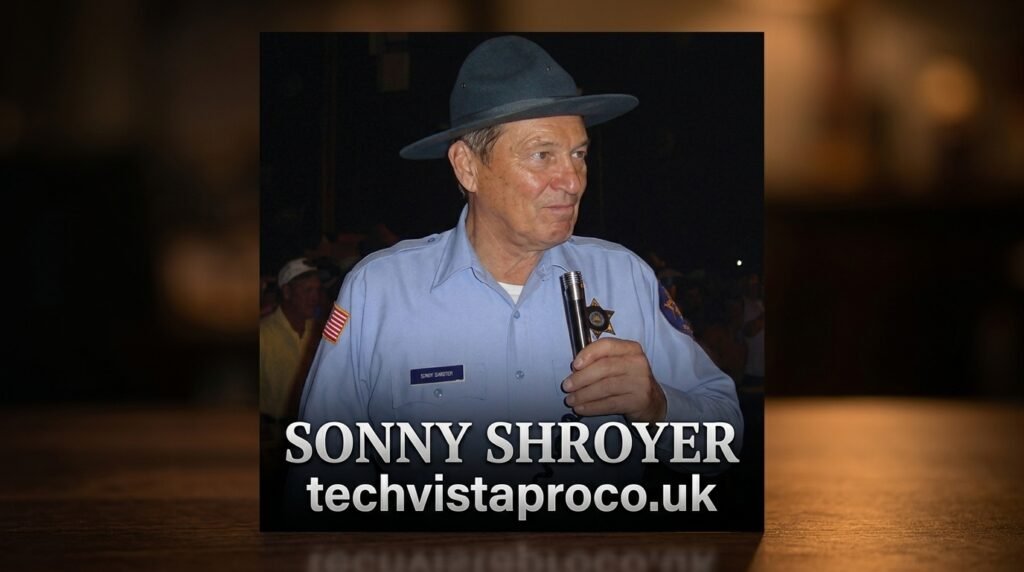
Shroyer’s creative work extended past acting. In 1982, he released a children’s album called Back in Hazzard, which included a cover of Roger Miller’s “You Can’t Rollerskate in a Buffalo Herd.” He also recorded the song “Children in Need” with fellow actor Randall Franks, and the two made personal appearances together for years afterward. Sonny Shroyer
Personal Life
Shroyer is married to Paula Shroyer, and the couple has two sons, Chris and Mark. He remained active in occasional acting and public appearances well into his later years before stepping back from the industry.
Legacy: Why Fans Still Remember Him
More than four decades after The Dukes of Hazzard first aired, Sonny Shroyer Enos Strate remains one of television’s most fondly remembered supporting characters — a rare example of a “comic relief” deputy who audiences genuinely rooted for. In Valdosta, Shroyer is remembered as one of the city’s most notable success stories, a local kid who worked in a tobacco warehouse and ended up sharing scenes with Tom Hanks.
For Dukes of Hazzard fans, Shroyer represents a piece of the show that never got old — proof that a well-loved character can outlast the show it came from.Sonny Shroyer
Frequently Asked Questions
Who did Sonny Shroyer play in The Dukes of Hazzard? He played Deputy Enos Strate, a well-meaning but easily outwitted sheriff’s deputy, appearing in 98 episodes of the series between 1979 and 1985.
Was Sonny Shroyer in Forrest Gump? Yes. He played legendary University of Alabama football coach Bear Bryant in the 1994 film Forrest Gump.
Where is Sonny Shroyer from? He was born and raised in Valdosta, Georgia, on August 28, 1935.
Did Sonny Shroyer have his own TV show? Yes. His Dukes of Hazzard character was spun off into a standalone series called Enos, which ran for 17 episodes in 1980.
Is Sonny Shroyer still acting? He is retired from acting, having stepped back from the industry after decades of film and television work spanning from 1972 into the 2020s.
