



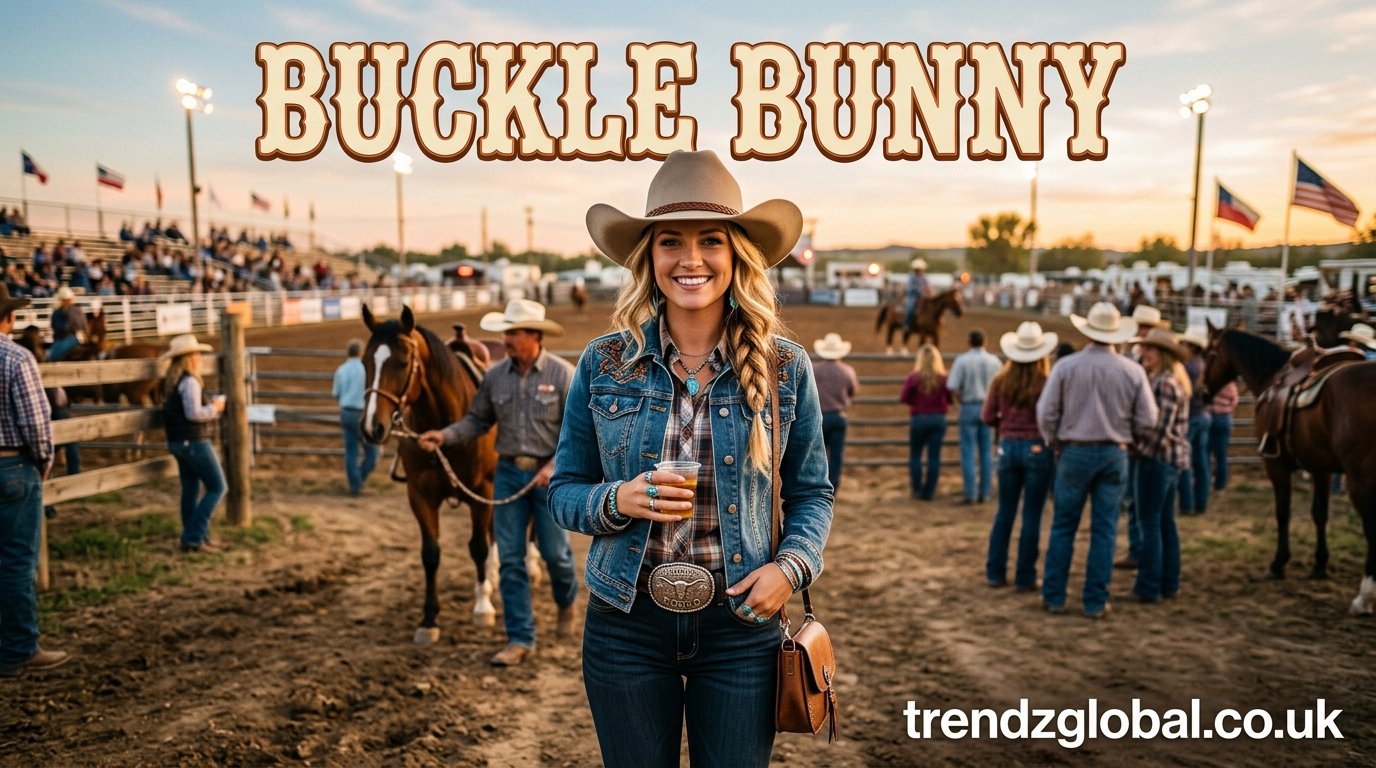
The phrase “buckle bunny” is one of the most recognizable terms associated with rodeo culture in North America. Although it has existed for decades within Western communities, the rise of social media, country music, and mainstream interest in cowboy fashion has brought the term into wider public awareness. Today, many people encounter the phrase online without fully understanding its origins, cultural significance, or how its meaning has evolved over time.
Like many forms of slang, buckle bunny carries different interpretations depending on who uses it and in what context. For some, it is simply a playful expression connected to rodeo life. For others, it represents a stereotype that has become deeply rooted in Western culture. Understanding the history behind the term helps reveal how it became part of rodeo vocabulary and why it continues to generate discussion among rodeo enthusiasts, country music fans, and social media users alike.
What Is a Buckle Bunny?
A buckle bunny is generally described as a person, most often a woman, who is particularly interested in rodeo cowboys and the lifestyle surrounding rodeo competitions. The term is closely connected to the rodeo world, where successful competitors often earn championship belt buckles as symbols of achievement and status. The phrase suggests admiration for the athletes who compete in rodeo events and the culture that surrounds them.
Many people compare the concept to sports fans who closely follow professional athletes or music fans who admire performers. However, within rodeo culture, the term specifically refers to individuals who are believed to be attracted to rodeo competitors because of their reputation, accomplishments, or social standing. The label has developed a variety of meanings over the years, ranging from lighthearted teasing to more critical descriptions.
The Origin of the Term Buckle Bunny
The exact origin of the phrase is difficult to trace, but it emerged within North American rodeo communities during the late twentieth century. Rodeo participants and fans began using the term as part of the unique vocabulary that developed around the sport. Over time, it became widely recognized at rodeo events, country gatherings, and Western social circles.
The word “buckle” refers to the large decorative belt buckles awarded to winning rodeo competitors. These buckles symbolize success, skill, and dedication. The word “bunny” follows a pattern seen in other slang expressions, where it refers to enthusiastic followers of a particular activity or community. Together, the two words created a memorable phrase that quickly became embedded in rodeo culture.
The Importance of Championship Belt Buckles
To understand the meaning of buckle bunny, it is essential to understand the significance of championship belt buckles. In the rodeo world, winning a buckle is often considered one of the highest honors a competitor can achieve. These awards are not merely fashion accessories; they represent years of hard work, training, sacrifice, and competitive success.
Many rodeo athletes proudly wear their championship buckles because they serve as visible reminders of their accomplishments. A large buckle can instantly communicate a rider’s achievements to others within the community. Because these awards carry prestige and recognition, they naturally became associated with social status, contributing to the development of the buckle bunny stereotype.
Rodeo Culture and Social Traditions
Rodeo culture is built on tradition, competition, and community. Events often bring together competitors, ranchers, families, sponsors, and fans from different regions. Rodeos are more than sporting competitions; they are social gatherings where people celebrate Western heritage and shared values.
Within these communities, relationships and social interactions play an important role. Rodeo competitors frequently travel long distances throughout the season, creating close-knit networks among participants and supporters. The buckle bunny label emerged from these social environments, reflecting perceptions about people who were especially interested in rodeo athletes and their lifestyles.
How the Stereotype Developed
Over time, the phrase buckle bunny became associated with a specific stereotype. Popular portrayals often describe a young woman who follows rodeo circuits, attends events regularly, and seeks attention from successful cowboys. These portrayals appeared in stories, jokes, media coverage, and casual conversations throughout rodeo communities.
Like many stereotypes, this image does not accurately represent every individual connected to rodeo culture. Many people who enjoy rodeos are genuine fans of the sport and appreciate the skills, traditions, and entertainment it offers. Nevertheless, the stereotype became deeply embedded in public perception and continues to influence how the term is understood today.
The Relationship Between Buckle Bunny and Western Fashion
Western fashion has played a major role in shaping the public image associated with buckle bunnies. Cowboy boots, denim jeans, cowboy hats, oversized belt buckles, fringe jackets, and decorative accessories are all commonly linked to the aesthetic. These fashion choices reflect broader Western traditions rather than any single group of people.
In recent years, Western-inspired fashion has experienced renewed popularity among younger generations. Influencers, celebrities, and fashion brands have embraced cowboy-inspired styles, bringing Western aesthetics into mainstream culture. As a result, the buckle bunny image has become increasingly associated with fashion trends as much as with rodeo culture itself.
The Influence of Country Music and Entertainment
Country music has long celebrated themes of rural life, rodeos, ranching, and cowboy culture. Songs, music videos, and live performances often feature imagery connected to rodeo traditions and Western lifestyles. This exposure has helped introduce rodeo-related terminology, including buckle bunny, to broader audiences.
Television programs, documentaries, and social media content have further expanded awareness of the term. Modern entertainment frequently romanticizes cowboy culture, creating fascination with rodeo athletes and the lifestyles they lead. These portrayals have contributed to the continued relevance of buckle bunny in contemporary popular culture.
Social Media and the Modern Buckle Bunny Trend
Social media platforms have dramatically changed how cultural trends spread. Applications such as TikTok, Instagram, and Pinterest have introduced Western fashion and country-inspired lifestyles to millions of users around the world. Content featuring rodeos, ranch life, horse riding, and cowboy fashion regularly attracts large audiences.
Within these online communities, the term buckle bunny has been adopted in new ways. Some users embrace it humorously, while others use it to describe an aesthetic or lifestyle identity. This shift demonstrates how language evolves as new generations reinterpret older cultural expressions. For many younger audiences, the phrase now represents a blend of fashion, entertainment, and social media culture rather than its original rodeo-specific meaning.
Why the Term Can Be Viewed Differently
One reason buckle bunny remains a topic of discussion is that people interpret it differently. Some individuals use the term casually and view it as harmless slang. Others believe it can carry negative implications because it may reduce people to stereotypes or assumptions about their intentions.
The meaning often depends on context, tone, and personal perspective. In some situations, the phrase is used playfully among friends. In others, it may be intended as criticism. Understanding these differences is important because language can have multiple layers of meaning depending on the audience and cultural setting.
The Lasting Impact of Buckle Bunny in Western Culture
Despite changing social attitudes and evolving cultural trends, buckle bunny remains a recognizable part of Western vocabulary. The term continues to appear in conversations about rodeos, country music, cowboy lifestyles, and Western fashion. Its survival over several decades demonstrates how deeply it is connected to rodeo traditions and community identity.
As Western culture continues to influence mainstream entertainment and fashion, the phrase is likely to remain relevant. While its meaning may continue to evolve, its historical connection to rodeo competition, championship buckles, and cowboy culture ensures that it remains an enduring part of the Western cultural landscape.
Conclusion
Buckle bunny is a term with deep roots in rodeo culture and Western traditions. Originally used to describe individuals attracted to successful rodeo competitors, the phrase has evolved into a broader cultural expression that encompasses fashion, entertainment, social media, and modern lifestyle trends. Its connection to championship belt buckles highlights the importance of achievement and status within the rodeo community, while its continued popularity reflects the lasting appeal of cowboy culture.
Although opinions about the term vary, understanding its origins and evolution provides valuable insight into the traditions and social dynamics of the rodeo world. Today, buckle bunny represents more than a simple piece of slang. It serves as a cultural symbol that reflects the intersection of history, identity, fashion, and entertainment within one of North America’s most distinctive traditions.
