


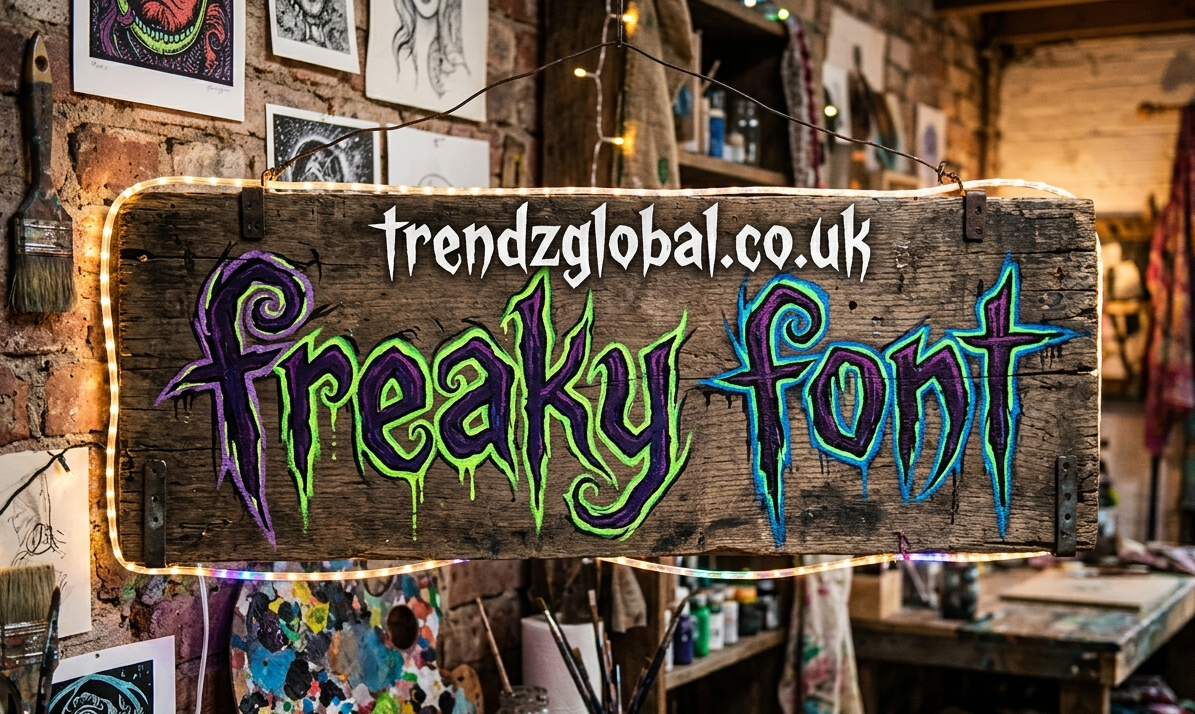
The internet has transformed text into much more than a communication tool. In today’s digital culture, typography has become part of online identity, branding, humor, creativity, and self-expression. Across platforms like Instagram, TikTok, Discord, Snapchat, Twitch, and WhatsApp, users constantly search for ways to make their profiles, captions, usernames, and messages stand out visually. One of the biggest trends driving this movement is the rise of the “freaky font.”
The term “freaky font” generally refers to unusual, aesthetic, decorative, creepy, glitchy, stylish, or visually distorted text styles created using Unicode characters and online font generators. These fonts are especially popular among gamers, influencers, meme creators, social media users, and online communities that value individuality and attention-grabbing design. Instead of using traditional fonts installed on devices, freaky fonts rely on Unicode symbols that visually transform ordinary text into unique styles.
The popularity of freaky fonts reflects larger internet trends surrounding digital aesthetics and visual communication. Modern social media environments are highly competitive, and users constantly look for creative ways to attract attention quickly. Stylish typography helps create memorable online identities while adding personality to otherwise plain text. As a result, freaky fonts have become deeply connected to internet culture, social branding, and modern online communication.
What Is a Freaky Font and Why Is It So Popular?
A freaky font is a decorative text style generated using Unicode symbols, special characters, and alternative typography systems that visually replace standard alphabet letters. Instead of using downloadable font files like traditional typography software, most freaky fonts work through Unicode conversion tools that transform normal text into stylish versions that can be copied and pasted anywhere online.
For example, regular text such as “hello world” can instantly become “𝖍𝖊𝖑𝖑𝖔 𝖜𝖔𝖗𝖑𝖉,” “𝓱𝓮𝓵𝓵𝓸 𝔀𝓸𝓻𝓵𝓭,” or “ⒽⒺⓁⓁⓄ ⓌⓄⓇⓁⒹ” depending on the selected style. These transformations are possible because Unicode contains thousands of alternative characters, mathematical symbols, decorative alphabets, and stylistic letter variations supported by modern devices and browsers.
The reason freaky fonts became so popular is closely tied to social media culture. Online users want their profiles, bios, comments, captions, and usernames to look different from everyone else. Decorative typography creates visual uniqueness, helping content stand out in crowded digital spaces. Because these fonts are easy to generate and free to use, they quickly spread across platforms like TikTok, Discord, Instagram, and gaming communities.
Another major factor behind their popularity is internet aesthetics. Online culture increasingly revolves around visual themes such as gothic aesthetics, vaporwave design, cyberpunk visuals, soft girl aesthetics, dark academia, horror themes, and meme culture. Freaky fonts allow users to match typography with these visual identities, strengthening personal branding and creative expression online.
How Freaky Font Generators Actually Work
Most people assume freaky fonts are actual downloadable fonts, but technically they are usually Unicode text transformations rather than traditional font systems. Unicode is a global digital standard that assigns unique codes to letters, numbers, symbols, and emojis across different languages and operating systems. Font generators use these Unicode alternatives to visually replace ordinary characters with decorative ones.
When a user enters text into a freaky font generator, the software automatically maps standard letters to matching Unicode symbols. The process happens almost instantly. Because the output remains text instead of images, users can copy and paste the styled writing directly into social media apps, gaming profiles, messaging platforms, and websites without installing anything.
The biggest advantage of Unicode typography is compatibility. Most modern operating systems, smartphones, browsers, and apps support Unicode characters, allowing decorative text to display across multiple platforms. This flexibility helped freaky fonts become extremely popular because users can apply them almost anywhere online.
Modern font generators have also become much more advanced over time. Many now include glitch effects, cursed text, aesthetic symbols, emoji integration, vertical text tools, mirrored writing, small caps, and decorative separators. Some even allow users to combine multiple typography styles into completely unique custom text designs.
The Different Types of Freaky Fonts Used Online
The phrase “freaky font” actually includes many different typography styles rather than one single design category. Different online communities prefer different styles depending on their aesthetic preferences, humor, and branding goals. This diversity is one reason why the trend continues growing across social media platforms.
Cursive and script-style fonts are among the most widely used because they create elegant and aesthetic appearances suitable for Instagram bios, TikTok captions, and influencer branding. These fonts are often associated with soft aesthetics, fashion content, beauty creators, and lifestyle pages.
Gothic and Fraktur fonts are another major category. These dramatic text styles create darker visual identities commonly used in gaming culture, alternative fashion communities, horror-themed content, and edgy social media profiles. Their sharp lettering and medieval appearance make them visually powerful and memorable.
Glitch fonts and cursed text styles are especially popular in meme culture and internet humor. These styles use distorted Unicode combining marks to create chaotic, broken, or corrupted visual effects. Horror creators, internet trolls, and meme communities frequently use these designs to create exaggerated emotional or comedic reactions online.
Bubble letters, circled fonts, tiny text, vaporwave typography, Japanese-inspired Unicode styles, and futuristic cyber fonts are also commonly included within the broader freaky font category. Because Unicode includes thousands of characters, new styles continue appearing regularly as online creativity evolves.
Freaky Fonts and Social Media Branding
Social media branding has become one of the biggest reasons why people search for freaky fonts online. Modern creators, influencers, gamers, and online entrepreneurs understand that visual identity matters significantly in digital environments. Typography is now considered an important part of building a recognizable online presence.
Instagram bios are one of the most common places where freaky fonts appear. Users often use aesthetic text styles to make their profiles feel more stylish, mysterious, artistic, or unique. TikTok creators also use decorative typography in captions and usernames because visually distinct text attracts attention while scrolling through content feeds.
Gaming communities have embraced freaky fonts even more aggressively. On platforms like Discord, Twitch, Roblox, Free Fire, Fortnite, and Call of Duty, players use decorative usernames and clan tags to establish stronger digital identities. Unique typography helps players appear more recognizable and visually memorable among large online communities.
YouTube creators and streamers also use stylish fonts in channel names, thumbnails, banners, and social profiles to strengthen branding consistency. Since competition for online visibility is extremely intense, even small visual details like typography can influence audience recognition and engagement.
The psychology behind this trend is simple. Human attention naturally responds to unusual visual patterns. Decorative typography interrupts normal reading expectations, causing users to pause and notice the content. This attention-grabbing effect makes freaky fonts highly valuable in fast-moving social media environments.
The Connection Between Freaky Fonts and Internet Culture
Freaky fonts are deeply connected to internet culture, memes, and digital humor. Many typography trends become popular because they are linked to specific jokes, viral phrases, online communities, or social media trends. Decorative text styles often spread rapidly through TikTok trends, Discord servers, Reddit threads, and meme pages.
One famous example is the widespread popularity of stylized “𝓯𝓻𝓮𝓪𝓴𝔂” script text used in memes and ironic internet humor. The exaggerated elegance of cursive Unicode text became part of a larger comedic style where users intentionally overdramatized ordinary words for humorous effect.
Typography has also become part of online identity expression. Similar to profile pictures, emojis, and aesthetic themes, text styles now help communicate personality traits and community belonging. Soft cursive fonts may signal aesthetic or artistic interests, while glitch typography might suggest gaming culture, cyberpunk aesthetics, or chaotic humor.
Internet subcultures frequently adopt unique typography styles as visual symbols of community identity. Alternative fashion communities, anime fandoms, horror groups, gaming circles, and meme communities all use decorative text differently depending on their culture and visual preferences.
Because internet culture changes quickly, typography trends also evolve rapidly. Certain freaky fonts become viral for short periods before being replaced by newer styles. This constant evolution keeps decorative typography highly active within digital communication trends.
Accessibility and Readability Issues With Freaky Fonts
Although freaky fonts are visually creative and entertaining, they also create important accessibility concerns. Decorative Unicode text can sometimes become difficult to read, especially when users overuse complex symbols or heavily distorted typography styles. Screen readers and accessibility tools may also struggle to interpret certain Unicode combinations correctly.
One major issue involves readability across devices. While most modern systems support Unicode characters, some symbols may appear differently depending on operating systems, apps, or browsers. A font that looks stylish on one smartphone might appear broken or unreadable on another device.
Search engine optimization can also be affected when decorative text is overused. Search engines prioritize readable, accessible, and user-friendly content. Excessive Unicode styling within website content may interfere with indexing, readability, or user experience if used improperly.
Another concern involves professional communication. Freaky fonts work well for social media bios, usernames, gaming profiles, and aesthetic captions, but they may appear unprofessional in business emails, formal documents, or academic writing. Understanding when and where to use decorative typography is important for maintaining effective communication.
Experts generally recommend balancing creativity with clarity. Stylish fonts are most effective when used strategically in short sections rather than throughout entire paragraphs. This approach preserves visual appeal while maintaining readability for wider audiences.
SEO Value and Digital Marketing Impact of Freaky Fonts
Freaky fonts also play an interesting role in digital marketing and SEO strategies. While search engines do not directly reward decorative typography, visually distinctive content can improve user engagement, social interaction, and brand memorability. These indirect benefits can support broader online visibility strategies.
Content creators often use stylish text in social media marketing because unique typography increases visual differentiation. In highly competitive environments like TikTok and Instagram, small visual details can significantly influence whether users stop scrolling to engage with content.
Brand recognition is another major advantage. Memorable typography helps creators establish stronger visual identities online. Many influencers consistently use specific text styles as part of their branding strategy, making their profiles instantly recognizable to followers.
However, SEO professionals usually advise moderation when using Unicode fonts within websites. Search engines prioritize readability, accessibility, and user experience above visual gimmicks. Decorative typography works best as a branding enhancement rather than a replacement for clear, readable content.
Successful digital branding typically combines stylish typography with consistent imagery, recognizable usernames, strong content quality, and authentic communication. Freaky fonts can support this strategy effectively when used thoughtfully.
The Technology Behind Unicode Typography and Font Innovation
The rise of freaky fonts reflects larger technological developments in digital typography and online design systems. Unicode itself represents one of the most important innovations in global computing because it standardized character support across languages and devices worldwide.
Typography technology has evolved rapidly in recent years. Researchers and developers are now exploring AI-powered font generation systems capable of creating entirely new artistic text styles automatically. Machine learning models can analyze typography aesthetics and generate customized fonts based on specific design preferences.
Generative typography research has expanded into areas such as artistic lettering, multilingual font transfer, animated typography, and AI-assisted graphic design. These technologies may eventually transform how people create personalized digital identities and visual branding online.
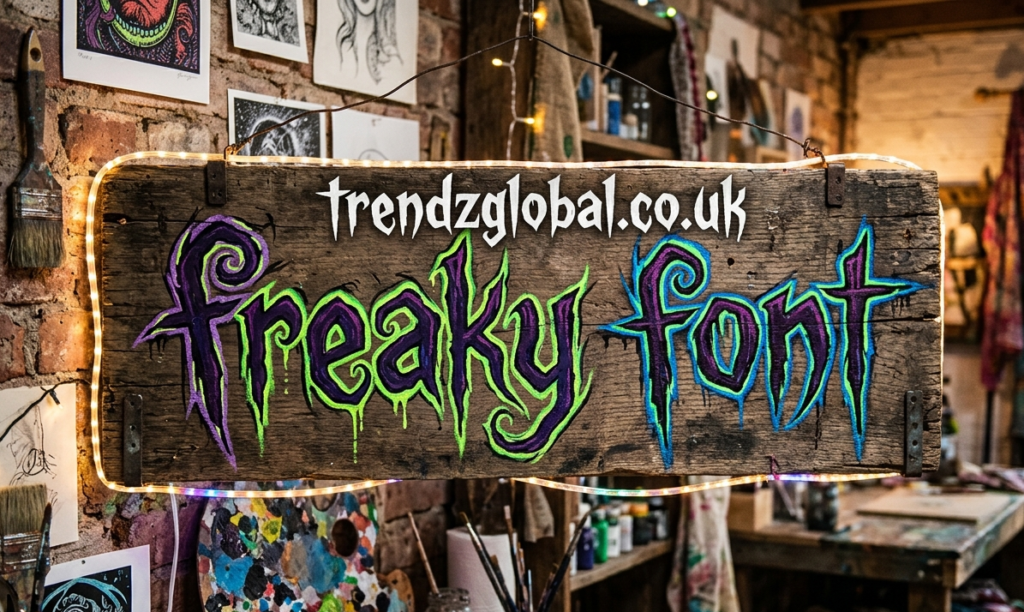
Modern typography is no longer limited to static printed text. Online communication increasingly combines motion graphics, animated lettering, interactive text effects, and AI-generated visual styles. Freaky fonts represent an early stage of this broader digital typography evolution.
As creative software becomes more accessible, ordinary users now have tools previously available only to professional designers. This democratization of typography and visual design is one reason why decorative text culture continues expanding across the internet.
The Future of Freaky Fonts in Online Communication
The future of freaky fonts appears closely connected to the ongoing evolution of social media, digital identity, and AI-generated creativity. As online communication becomes increasingly visual, decorative typography will likely remain an important tool for self-expression and branding.
New Unicode combinations and font generators continue appearing every year, offering users more creative possibilities than ever before. Developers are also integrating typography tools with AI systems capable of generating personalized visual styles based on user behavior and aesthetic preferences.
At the same time, accessibility standards will likely become more important. Platforms may eventually improve compatibility systems to balance creative typography with readability and screen-reader support. This could make stylish text more inclusive while preserving visual creativity.
Virtual reality, augmented reality, and metaverse technologies may also influence future typography trends. In immersive digital spaces, typography could become interactive, animated, and fully customizable in real time. Freaky fonts may evolve from simple Unicode text into advanced visual identity systems within digital environments.
The continued popularity of decorative text demonstrates that online communication is no longer purely functional. Typography now carries emotional, aesthetic, and cultural meaning. Users want their text to reflect personality, humor, creativity, and identity, making freaky fonts an enduring part of internet culture.
Conclusion
Freaky fonts have become one of the most recognizable typography trends in modern internet culture. By transforming ordinary text into stylish, aesthetic, creepy, glitchy, or artistic designs, these Unicode-based text styles help users create stronger digital identities across social media, gaming platforms, messaging apps, and online communities.
The popularity of freaky fonts reflects larger changes in online communication where visual individuality and branding matter more than ever. From Instagram bios and TikTok captions to Discord usernames and gaming profiles, decorative typography allows users to stand out while expressing personality and creativity.
