



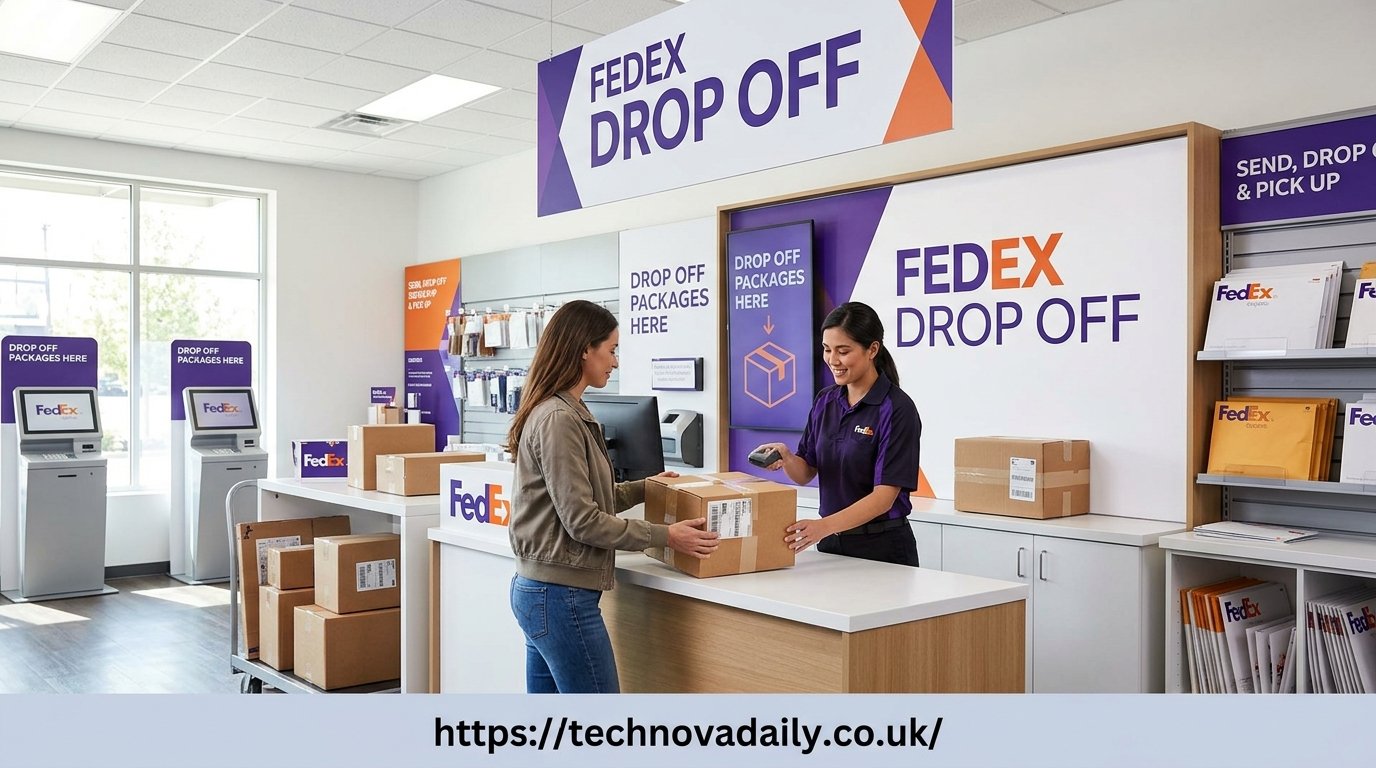
FedEx drop off services have become an essential part of modern shipping and logistics. Millions of individuals, online sellers, businesses, and e-commerce customers rely on FedEx every day to send packages quickly and securely. As online shopping continues growing worldwide, customers increasingly look for convenient ways to ship items without waiting for scheduled pickups or standing in long lines. FedEx drop off locations provide a flexible solution that allows people to leave packages at nearby stores, shipping centers, or secure drop boxes whenever it fits their schedule.
The popularity of FedEx shipping services has increased because customers now expect faster deliveries, easier return processes, and better package tracking. FedEx has expanded its network by partnering with retail stores, pharmacies, office supply centers, and authorized shipping locations to improve accessibility. Today, customers can drop off packages at FedEx Office locations, Walgreens stores, Dollar General outlets, grocery stores, and dedicated FedEx drop boxes located across cities and towns.
Modern shipping habits are also changing because businesses and consumers want contactless and mobile-friendly services. FedEx has adapted by offering QR code returns, app-generated labels, self-service kiosks, and digital package tracking systems. These improvements make shipping easier for people who regularly send products, return online purchases, or manage business deliveries.
How FedEx Drop Off Works
The FedEx drop off process is designed to be simple and efficient. Customers first prepare the shipment by packing the item securely in an approved shipping box or envelope. After sealing the package properly, they attach a FedEx shipping label generated online, through the FedEx mobile application, or at a FedEx shipping center. Once labeled correctly, the package can be left at an authorized drop off location for transportation through the FedEx delivery network.
Different FedEx services support different types of shipments. FedEx Ground is commonly used for affordable domestic deliveries, while FedEx Express supports faster overnight and time-sensitive shipping. Customers can also use FedEx International services for overseas deliveries. Most drop off locations accept multiple service types, although package size limits may vary depending on the location.
One reason FedEx drop off services are so popular is the flexibility they provide. Customers are not required to wait for pickup appointments or interact directly with a delivery driver. Packages can be dropped off during shopping trips, work breaks, or late evenings depending on location hours. Many self-service drop boxes are available twenty-four hours a day, which is especially convenient for business owners and online sellers who ship products regularly.
Different Types of FedEx Drop Off Locations
FedEx operates several categories of drop off points to meet the needs of different customers. FedEx Office locations are among the most complete service centers because they provide packaging assistance, label printing, document services, and customer support. These locations are ideal for customers shipping fragile items, international packages, or important business documents.
FedEx drop boxes offer a faster self-service alternative for customers who already have prepared and labeled packages. These secure metal boxes are located at office complexes, shopping areas, airports, and business districts. Customers simply place their shipment inside the drop box before the final pickup time. However, these boxes usually have package size restrictions and are mainly intended for smaller parcels and envelopes.
Retail partner locations have become another major part of the FedEx network. Walgreens, Dollar General, and selected grocery stores now allow customers to drop off shipments and returns while completing regular shopping activities. This partnership model expands convenience and improves shipping accessibility in residential and suburban areas where traditional shipping centers may not be nearby.
FedEx Drop Off for Online Shopping Returns
Online shopping has transformed the shipping industry, and returns processing has become one of the most important services offered by FedEx. Many online retailers now use FedEx return systems because they simplify the process for customers while improving logistics efficiency. Instead of printing labels at home, many customers can now use QR code return systems at participating FedEx locations.
QR code returns have become especially popular because they eliminate the need for printers and shipping supplies. Customers receive a digital return code from the retailer, then bring the packaged item to a FedEx Office or participating retail location. An employee scans the QR code, prints the shipping label, and processes the return shipment immediately. This paperless return method saves time and improves convenience for mobile users.
E-commerce businesses also benefit significantly from FedEx returns. Fast and organized return systems improve customer satisfaction and help online stores maintain positive reputations. Customers are more likely to shop confidently when they know returns can be handled easily through nearby FedEx drop off points.
Why Businesses Depend on FedEx Drop Off Services
Businesses of all sizes rely heavily on FedEx drop off systems because they provide speed, reliability, and nationwide access. E-commerce sellers, retail stores, manufacturers, and office operations use FedEx daily to send products, documents, contracts, and inventory to customers and partners across the country.
Small businesses especially benefit from flexible shipping options because they may not have dedicated warehouse pickup services. A local business owner can prepare shipments throughout the day and drop them off at a nearby FedEx location before the final collection time. This flexibility allows smaller operations to compete more effectively with larger companies that have extensive logistics resources.
Corporate shipping departments also depend on FedEx because of its advanced tracking systems and delivery reliability. Real-time tracking updates allow businesses to monitor shipments closely and provide customers with accurate delivery information. This level of visibility is important in industries where delivery timing directly affects customer satisfaction and operational efficiency.
Package Tracking and Shipment Visibility
FedEx tracking systems are one of the company’s strongest advantages. Once a package enters the FedEx network, customers can monitor its movement using tracking numbers provided during shipment creation. Tracking updates show package acceptance, sorting activity, transit movement, and estimated delivery times.
Tracking visibility is especially important for expensive items, business shipments, and urgent deliveries. Customers can receive notifications through email, text messages, or the FedEx mobile application whenever the package status changes. This transparency reduces uncertainty and helps both senders and recipients plan around expected delivery times.
Sometimes customers become concerned when tracking updates do not appear immediately after dropping off a package. This usually happens when the shipment has not yet received its first official transportation scan. Retail partner locations often collect packages before a FedEx driver retrieves them later in the day. Once the shipment reaches a FedEx sorting facility, tracking updates typically begin appearing normally.
Common Problems Customers Experience With FedEx Drop Off
Although FedEx drop off services are generally reliable, some customers occasionally experience shipping challenges. One common issue involves delays in package scanning after drop off. This situation can happen at busy retail partner locations where shipments are waiting for scheduled pickup by FedEx transportation drivers.
Another issue sometimes reported by customers involves damaged packaging. Improperly sealed boxes or weak packaging materials can create problems during transportation. Packages move through large automated sorting systems and transportation networks, so secure packaging is essential for preventing damage. Customers shipping fragile items should use strong boxes and protective cushioning materials.
Customers may also experience confusion regarding delivery restrictions, hold requests, or signature requirements. Certain shipments cannot be redirected because the sender applied security protections to the package. In these situations, only the original sender can authorize delivery changes. Understanding these policies before shipping helps reduce misunderstandings and customer frustration later.
Technology Behind Modern FedEx Shipping Systems
FedEx invests heavily in shipping technology and logistics infrastructure to improve package movement and customer convenience. Advanced sorting systems, barcode scanners, automated routing technology, and real-time tracking software help process millions of shipments efficiently every day.
The company also uses mobile technology extensively. Customers can generate labels, schedule shipments, locate nearby drop off points, and monitor package status directly from smartphones. Mobile applications have made shipping far more convenient than traditional paper-based systems used in previous decades.
Location technology is another important part of the FedEx network. Customers can search for nearby drop off centers based on ZIP codes, addresses, or live geographic location data. This technology helps users quickly identify the closest shipping location with the services they need, whether they require international shipping, document printing, or QR code returns.
Package Security and Safe Shipping Practices
Package security is a major concern in modern shipping because lost packages, delivery theft, and shipping fraud have become more common in recent years. FedEx uses scanning systems, transportation monitoring, and chain-of-custody procedures to improve shipment security throughout the delivery process.
Customers can improve package safety by using strong packaging materials and attaching labels securely. It is also important to remove old shipping labels or barcodes from reused boxes because outdated labels may confuse automated scanning equipment. Clear and properly printed labels help reduce routing mistakes and delivery delays.
Tracking records and drop off receipts provide additional security for valuable shipments. Customers should always keep proof of shipment until the delivery is completed successfully. These records are extremely useful if packages become delayed, lost, or damaged during transportation.
The Future of FedEx Drop Off and Shipping Services
The future of FedEx drop off services will likely focus on faster logistics, smarter automation, and improved customer convenience. E-commerce growth continues increasing shipping demand worldwide, which means logistics companies must constantly improve efficiency and accessibility.
Automation technology will likely play a larger role in package sorting, transportation routing, and delivery management. Artificial intelligence and predictive analytics are already helping logistics companies optimize transportation networks and reduce delivery delays. These technologies may further improve shipping accuracy and package tracking in the coming years.
Sustainability is also becoming an important focus in the shipping industry. FedEx and other logistics companies are investing in fuel-efficient vehicles, electric delivery fleets, and environmentally friendly packaging solutions. As consumer expectations evolve, future FedEx drop off systems may become even more convenient, digital, and environmentally responsible.
Conclusion
FedEx drop off services have transformed the way people send and return packages. The combination of convenience, flexible locations, advanced tracking systems, and mobile-friendly technology has made FedEx one of the most trusted names in global shipping and logistics. Whether customers are returning online purchases, managing business shipments, or sending personal packages, FedEx provides accessible solutions for modern delivery needs.
