



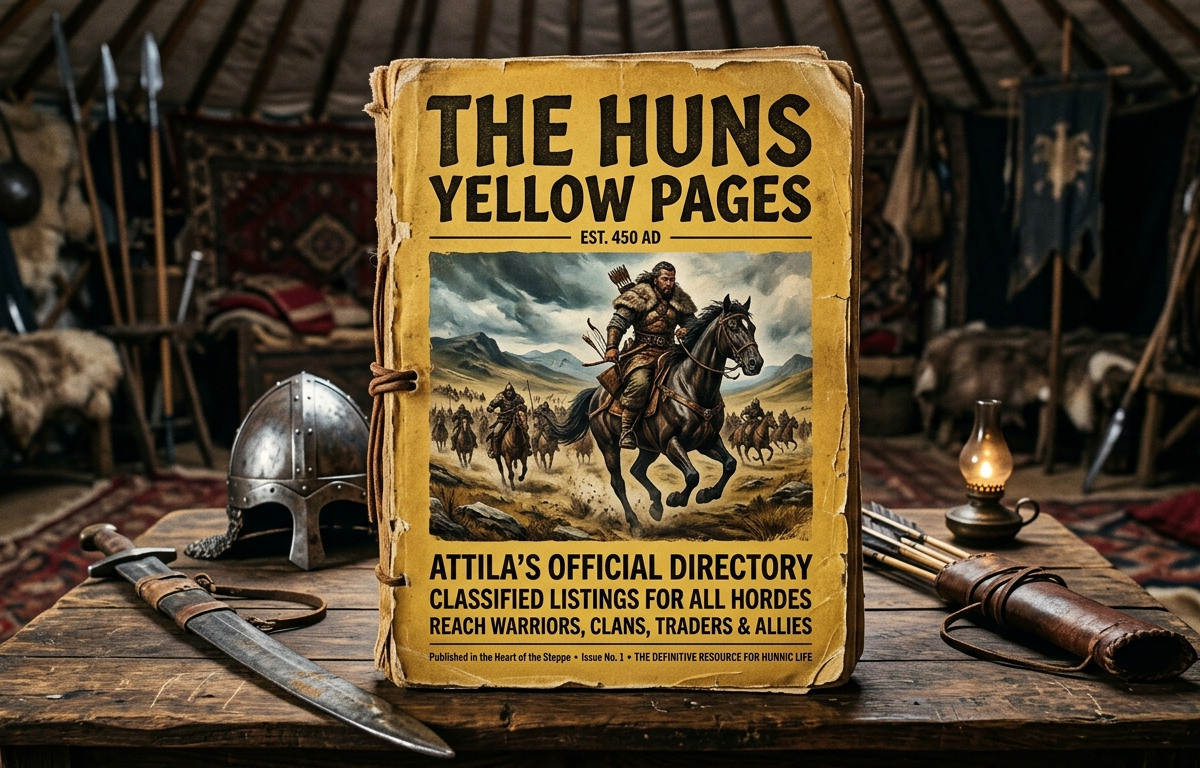
The Huns Yellow Pages is a term that has generated growing interest among internet users, especially those trying to understand its purpose, origin, and relevance in today’s digital world. While it may initially sound like a traditional business directory, its meaning is layered and connected to both historical internet culture and modern directory-style platforms. This dual identity makes it important to explore the topic in depth rather than relying on assumptions or incomplete information.
In the broader context, The Huns Yellow Pages represents an evolution of how information is categorized and accessed. From printed directories that once dominated households to digital platforms that now serve millions instantly, the concept has undergone significant transformation. Understanding this journey helps clarify what The Huns Yellow Pages वास्तव में represents today and why people continue searching for it.
The Historical Background of Yellow Pages
The concept of yellow pages dates back to a time when printed directories were essential tools for everyday life. Businesses were listed in categorized sections printed on yellow paper, making it easier for users to locate services quickly. This system became a global standard and remained relevant for decades before the rise of the internet.
As technology advanced, these directories transitioned into digital formats. Online directories retained the core idea of organizing information but introduced powerful search features, real-time updates, and broader accessibility. This shift laid the foundation for platforms like The Huns Yellow Pages, which adopted and adapted the traditional structure for modern use.
The transformation from print to digital was not just about convenience. It fundamentally changed how users interacted with information. Instead of flipping through pages, people could now search instantly, filter results, and access detailed profiles. This evolution plays a crucial role in understanding the significance of The Huns Yellow Pages today.
Understanding What The Huns Yellow Pages Represents
The Huns Yellow Pages is not limited to a single definition. In some contexts, it refers to a localized business directory that connects users with services in specific regions. In others, it is associated with an early internet directory that categorized websites and content in a structured manner. This dual interpretation often leads to confusion among users.
In its modern sense, The Huns Yellow Pages is most commonly understood as a digital directory that organizes businesses and services into easily searchable categories. It functions as a resource for discovering local providers, similar to other directory platforms, but often with a more niche or regional focus.
The historical association adds another layer to its identity. Early internet directories like The Huns Yellow Pages were created to help users navigate the web when search engines were still developing. This background highlights the platform’s role in shaping how information was organized and accessed in the early days of the internet.
What “Huns” Refers to in The Huns Yellow Pages
The term “Huns” in The Huns Yellow Pages is most commonly linked with the Hunza region in Pakistan, a popular tourist destination known for its mountains, culture, and hospitality industry. In this context, “Huns” is used as a branding shorthand referencing local businesses and services operating in or around Hunza Valley.
Some online interpretations also confuse the term with historical or unrelated meanings of “Hun,” but in the business directory context, it is mainly used as a regional identity marker. This gives the directory a local SEO advantage by targeting location-based searches such as hotels, guesthouses, tour guides, and transportation services in the Hunza region
The Role of The Huns Yellow Pages in Local Business Discovery
One of the most practical uses of The Huns Yellow Pages is in helping users discover local businesses. By grouping services into categories, it simplifies the process of finding what you need, whether it is accommodation, food services, healthcare, or technical support.
For regions with limited digital exposure, such directories can be especially valuable. They provide visibility to small businesses that might otherwise struggle to reach a wider audience. This makes The Huns Yellow Pages an important tool for local economic growth and community development.
The directory also enhances user convenience by offering detailed information about each listing. Instead of searching across multiple platforms, users can access contact details, descriptions, and sometimes reviews in one place. This centralized approach saves time and improves the overall user experience.
Key Features That Define The Huns Yellow Pages
The effectiveness of The Huns Yellow Pages lies in its structure and functionality. At its core, it organizes information into categories, allowing users to browse systematically rather than relying solely on keyword searches. This makes it easier to explore options and discover services that might not appear in standard search results.
Another defining feature is the inclusion of detailed business profiles. These profiles typically provide essential information such as phone numbers, addresses, and service descriptions. This level of detail helps users make informed decisions without needing additional research.
Digital accessibility is also a major advantage. Modern versions of The Huns Yellow Pages are designed to work seamlessly on both desktop and mobile devices. This ensures that users can access information anytime and anywhere, making it a practical tool for everyday use.
Benefits for Users in the Digital Age
For users, The Huns Yellow Pages offers a reliable and organized way to find services. Unlike general search engines, which can sometimes produce overwhelming or irrelevant results, a directory provides a more focused and structured experience. This makes it easier to locate specific services quickly.
Another benefit is the sense of trust that comes from curated listings. While not all directories are equally reliable, many strive to include accurate and verified information. This reduces the risk of encountering misleading or incomplete data.
The platform also supports better decision-making by presenting multiple options within a category. Users can explore different providers, compare their offerings, and choose the one that best fits their needs. This level of transparency is particularly valuable in today’s information-rich environment.
Advantages for Businesses and Service Providers
Businesses benefit significantly from being listed in The Huns Yellow Pages. For small and medium-sized enterprises, it provides an opportunity to increase visibility without investing heavily in marketing. This can be especially important in competitive markets where standing out is a challenge.
The directory also serves as a channel for attracting potential customers who are actively searching for services. Because users typically visit directories with a specific intent, the chances of generating leads and conversions are higher. This makes it a valuable addition to a business’s overall strategy.
In addition, being part of a directory can enhance credibility. A well-presented listing with accurate information can create a positive impression and build trust with potential customers. Over time, this can contribute to a stronger reputation and increased customer loyalty.
Benefits for Businesses Listed in The Huns Yellow Pages
Businesses listed in The Huns Yellow Pages gain visibility among both local customers and tourists searching for services online. This is particularly important for industries such as hospitality, transport, and food services, where customer demand is highly location-dependent.
Another major advantage is credibility. When users see a business listed in a structured directory, it often increases trust because the information appears organized and verifiable. Even simple listings can help small businesses compete with larger companies by improving discoverability in search engines and travel-related queries.
Challenges and Limitations in Modern Usage
Despite its advantages, The Huns Yellow Pages faces several challenges in today’s digital landscape. One of the main issues is competition from major search engines and global directory platforms. These larger platforms often dominate search results, making it harder for smaller directories to gain visibility.
Another limitation is the need for constant updates. Business information can change frequently, and outdated listings can lead to confusion or missed opportunities. Maintaining accuracy requires ongoing effort and resources, which can be challenging for smaller platforms.
There are also concerns related to trust and safety. Not all directories are equally reliable, and users must be cautious when interacting with unfamiliar listings. Verifying information through additional sources is often necessary to ensure a safe and positive experience.
The Evolution of Directory Platforms Over Time
The journey of The Huns Yellow Pages reflects the broader evolution of directory platforms. From printed books to digital databases, the way information is organized and accessed has changed dramatically. This transformation has been driven by advances in technology and changing user expectations.
Digital directories have introduced features such as search filters, real-time updates, and user-generated content. These enhancements have made directories more dynamic and interactive, improving their usefulness and relevance. The Huns Yellow Pages has adapted to these changes, incorporating modern features while retaining its core structure.
This evolution highlights the importance of adaptability in the digital age. Platforms that continue to innovate and respond to user needs are more likely to remain relevant and valuable over time.
Conclusion
The Huns Yellow Pages is a unique and multifaceted concept that bridges the gap between traditional directories and modern digital platforms. Its roots in the yellow pages system and its connection to early internet directories give it a rich and complex identity. At the same time, its practical applications in local business discovery make it a valuable resource in today’s world.
FAQS
1. What is The Huns Yellow Pages?
The Huns Yellow Pages is an online business directory that helps users find companies, services, and local businesses across various industries. It is designed to make searching for business information quick and convenient.
2. How does The Huns Yellow Pages work?
The platform organizes business listings into categories, allowing users to search by company name, service type, or location. Search results typically include business names, contact details, and other relevant information.
3. Is The Huns Yellow Pages free to use?
Yes, users can generally search for businesses and browse listings without paying a fee. However, businesses may have optional paid features or premium listing opportunities, depending on the platform’s policies.
4. Can businesses list themselves on The Huns Yellow Pages?
Yes. Business owners can usually create or claim a listing to provide accurate information such as their address, phone number, website, operating hours, and services.
5. What information can I find on The Huns Yellow Pages?
You can typically find business names, contact information, physical addresses, websites, business descriptions, and sometimes customer reviews or ratings.
6. Is The Huns Yellow Pages suitable for local business searches?
Yes. The directory is intended to help users discover local businesses, making it easier to find nearby services, shops, restaurants, and professionals.
7. Can I search for businesses by category on The Huns Yellow Pages?
Yes. Most business directories, including The Huns Yellow Pages, organize listings into categories so users can quickly locate businesses that provide specific products or services.
8. Are the business listings on The Huns Yellow Pages verified?
Many directories encourage businesses to keep their information updated, but users should verify important details directly with the business before making decisions.
9. Can I update incorrect information on The Huns Yellow Pages?
If you are the business owner, you can usually request edits or claim your listing to update business details. Users may also be able to report inaccurate information.
10. Why should businesses use The Huns Yellow Pages?
Listing a business on The Huns Yellow Pages can improve online visibility, help attract local customers, increase credibility, and make it easier for potential clients to find contact information.
11. Does The Huns Yellow Pages include customer reviews?
Some business directories allow customers to leave reviews and ratings. Whether this feature is available depends on the platform’s functionality.
12. How can I find the best businesses using The Huns Yellow Pages?
Use relevant keywords, browse categories, compare multiple listings, read available reviews, and verify contact information before choosing a business.
13. Is The Huns Yellow Pages mobile-friendly?
Most modern online directories are designed to work on smartphones, tablets, and desktop computers, making it convenient to search for businesses from any device.
14. Can I advertise my business through The Huns Yellow Pages?
Many online directories offer advertising or premium listing options that can increase a business’s visibility in search results and category pages.
15. What are the benefits of using The Huns Yellow Pages?
The Huns Yellow Pages provides a centralized place to discover businesses, compare services, access contact information, and connect with local companies efficiently.
