



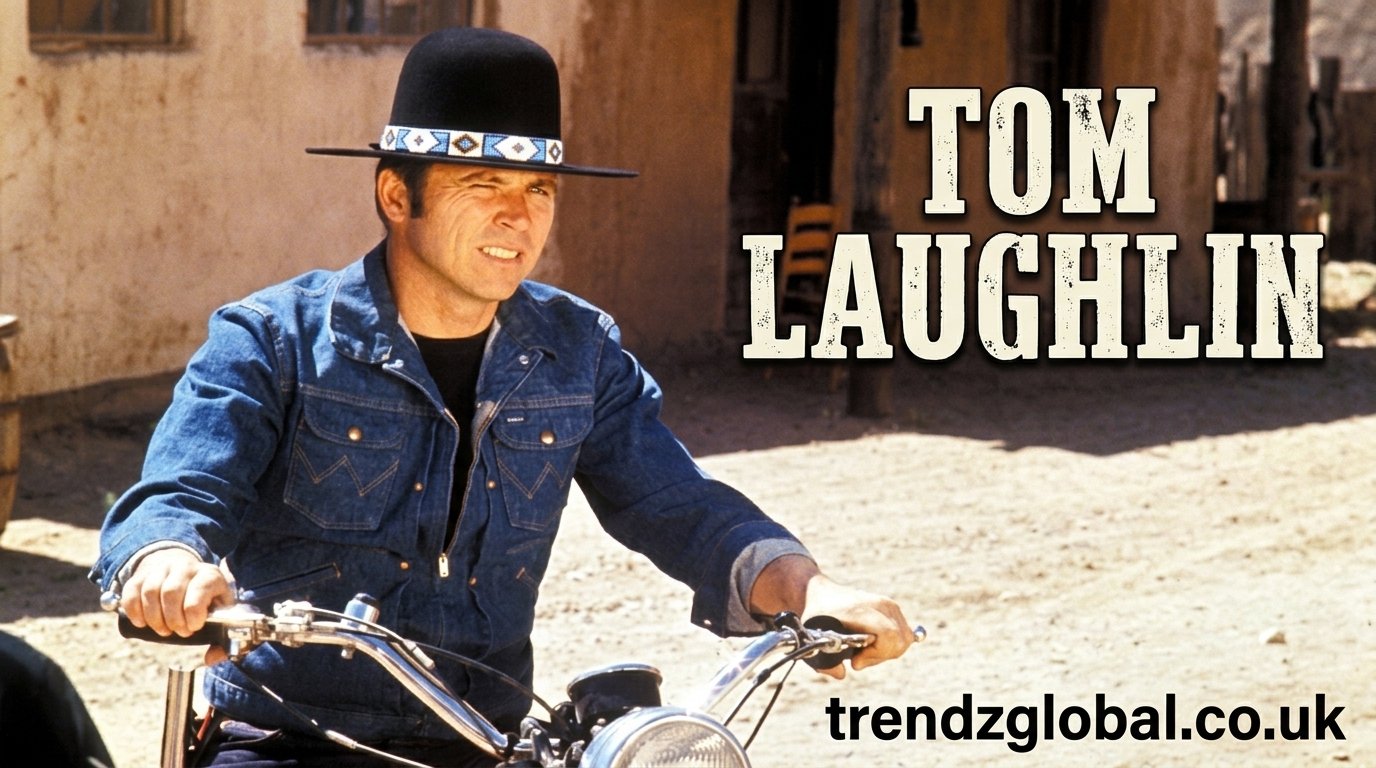
Tom Laughlin was an American actor, filmmaker, writer, producer, director, and political activist best known for creating and portraying the iconic character Billy Jack. Throughout his career, Laughlin built a reputation as an independent filmmaker who challenged Hollywood traditions by financing, producing, and distributing many of his own films. His work combined action, social justice themes, and spiritual ideas, making him one of the most unique figures in American cinema.
Born on August 10, 1931, in Milwaukee, Wisconsin, Tom Laughlin developed an early interest in acting while attending Marquette University and later the University of South Dakota. After serving in the United States Army, he moved to California to pursue a career in entertainment. Although he appeared in several television shows and films during the 1950s and 1960s, it was the Billy Jack franchise that transformed him into a cultural icon.
Early Life and Education
Thomas Robert Laughlin grew up in a middle-class family in Wisconsin during the Great Depression and World War II era. His childhood experiences helped shape his strong beliefs about fairness, equality, and standing up for those facing injustice. These values later became central themes in both his personal life and filmmaking career.
While attending college, Laughlin participated in sports and theater, showing talent in both athletics and performance. His military service further strengthened his discipline and determination. After completing his education, he relocated to Hollywood with dreams of becoming an actor, despite facing stiff competition in the entertainment industry.
Beginning of an Acting Career
Tom Laughlin’s early acting career included appearances in television dramas, westerns, and feature films. During the late 1950s and early 1960s, he earned supporting roles that helped him gain experience in front of the camera. Although these performances were generally well received, they did not bring him widespread recognition.
During this period, Laughlin also developed an interest in filmmaking beyond acting. He wanted greater creative control over the stories he told and believed independent production offered opportunities unavailable through major Hollywood studios. This vision eventually became the foundation of his greatest success.
The Creation of Billy Jack
The turning point in Tom Laughlin’s career came with the creation of Billy Jack, a half-Native American Vietnam veteran who defended vulnerable people against prejudice, violence, and corruption. The character first appeared in The Born Losers in 1967 before becoming the central figure in Billy Jack in 1971.
Billy Jack became an unexpected box-office phenomenon after an unconventional re-release campaign led by Laughlin himself. The film resonated with audiences because it reflected many social issues of the era, including civil rights, anti-war sentiment, environmental awareness, and cultural tolerance. Billy Jack’s calm personality combined with martial arts skills created a memorable screen hero unlike traditional action stars.
Success of the Billy Jack Film Series
Following the enormous popularity of Billy Jack, Tom Laughlin expanded the story with sequels including The Trial of Billy Jack in 1974 and Billy Jack Goes to Washington in 1977. These films continued exploring political corruption, education reform, media influence, and individual freedom while maintaining the action and emotional storytelling that fans appreciated.
Although critics often had mixed opinions about the later films, audiences remained loyal to the Billy Jack character. The series became one of the earliest examples of successful independent film franchises, proving that filmmakers could achieve commercial success outside the traditional Hollywood studio system. Laughlin’s business strategy also inspired future generations of independent producers.
Filmmaking Style and Personal Beliefs
Tom Laughlin’s filmmaking reflected his deeply held personal beliefs about justice, peace, equality, and human rights. Rather than creating simple action entertainment, he used movies to discuss difficult social issues affecting American society. His films frequently encouraged audiences to think about compassion, responsibility, and moral courage.
Beyond filmmaking, Laughlin was interested in psychology, education, and personal development. He often spoke publicly about leadership, emotional intelligence, and human behavior. These interests influenced both his scripts and public appearances, giving his work a distinctive voice that separated him from many other filmmakers of his generation.
Personal Life and Political Interests
Tom Laughlin married actress Delores Taylor, who became both his creative partner and frequent co-star. Taylor played a significant role in developing the Billy Jack films, contributing to writing, producing, and acting. Their professional collaboration lasted for decades and became one of the defining partnerships in independent American cinema.
Outside the entertainment industry, Laughlin remained politically active for much of his life. He expressed interest in public service and occasionally explored political campaigns, advocating for government reform, education improvements, and greater social responsibility. While his political ambitions never resulted in elected office, they reflected the same convictions found throughout his films.
Legacy and Influence on American Cinema
Tom Laughlin’s influence extends far beyond his acting career. He demonstrated that independent filmmakers could retain creative control while reaching mainstream audiences through innovative marketing and distribution methods. Many later filmmakers admired his willingness to challenge industry norms and finance ambitious projects independently.
His portrayal of Billy Jack also left a lasting cultural impact. The character remains recognized as an early cinematic hero who blended martial arts, social activism, spirituality, and personal integrity. Even decades after the original films, Billy Jack continues to attract new viewers interested in classic American independent cinema.
Death and Lasting Recognition
Tom Laughlin passed away on December 12, 2013, at the age of 82 after complications related to pneumonia. His death marked the end of a remarkable career that spanned acting, directing, producing, writing, and political activism. Fans and colleagues remembered him as a passionate storyteller who remained committed to his principles throughout his life.
Today, film historians continue to recognize Laughlin as one of the pioneers of independent filmmaking in the United States. His work remains available to modern audiences who appreciate classic cinema with meaningful social messages. Discussions surrounding Billy Jack frequently highlight both the character’s cultural significance and Laughlin’s determination to tell stories on his own terms.
Conclusion
Tom Laughlin was much more than the actor behind Billy Jack. He was an independent filmmaker, writer, producer, director, and activist who believed films could inspire meaningful conversations about justice, equality, and personal responsibility. By taking creative and financial risks, he proved that determined storytellers could succeed without relying entirely on major Hollywood studios.
His legacy continues through the Billy Jack films, which remain important examples of independent American filmmaking. Whether remembered for his memorable performances, innovative production methods, or commitment to social causes, Tom Laughlin occupies a unique place in film history that continues to influence audiences and filmmakers alike.
FAQs
Who was Tom Laughlin?
Tom Laughlin was an American actor, filmmaker, writer, producer, director, and political activist best known for creating and starring as Billy Jack in the popular film series.
What is Tom Laughlin most famous for?
He is most famous for portraying Billy Jack, a martial arts-skilled Vietnam veteran who fights injustice while promoting peace, equality, and compassion.
When was Tom Laughlin born?
Tom Laughlin was born on August 10, 1931, in Milwaukee, Wisconsin, USA.
When did Tom Laughlin die?
He passed away on December 12, 2013, at the age of 82 due to complications from pneumonia.
Who was Tom Laughlin’s wife?
His wife was Delores Taylor, an actress, writer, and producer who worked closely with him on the Billy Jack films throughout their careers.
What are the Billy Jack movies?
The main Billy Jack films include The Born Losers (1967), Billy Jack (1971), The Trial of Billy Jack (1974), and Billy Jack Goes to Washington (1977).
Why is Tom Laughlin important in film history?
Tom Laughlin is considered a pioneer of independent filmmaking because he successfully produced, financed, marketed, and distributed his own films while maintaining creative control and reaching a wide audience.
